Program
Volunteer Science
Conservation Action
Immerse yourself in aquatic habitats, where you’ll create lifelong memories and forge new friendships while contributing to vital scientific knowledge about a diverse array of fresh and brackish water turtle species.
The Turtle Survival Alliance Volunteer Science program is a participatory science volunteer program directed by academic and non-academic professionals and committed to long-term turtle population monitoring.
Spanning more than twenty years, this program is home to the second-longest ongoing study of turtles inhabiting a Florida freshwater spring system, and one of the largest long-term turtle population studies conducted in the United States.
Today, this program conducts long-term studies using capture-mark-recapture to examine the population dynamics of turtle species and assemblages across twelve active study sites in Florida, South Carolina, and Washington.
This initiative provides field volunteer opportunities for Turtle Survival Alliance members, serves as a training and outreach function, and produces peer-reviewed publications of its findings that can assist local, regional, state, and federal agencies to protect wild turtles and their habitats.
Sustained efforts by the Turtle Survival Alliance Volunteer Science program are important because turtles are long-lived organisms and play valuable ecological roles in their environments.
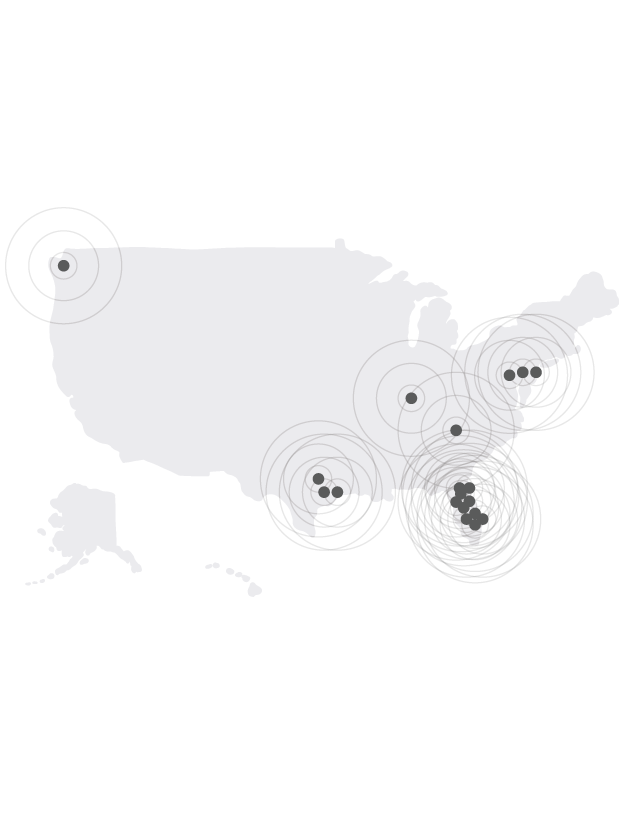
Our Volunteer Science program currently has five sites that accept outside volunteers.
Click below to navigate to each section and learn more about the project and how to get involved.
Florida Springs Survey
Blue Spring State Park, Orange City, FL, USA
Kelly Park/Rock Springs, Apopka, FL, USA
Fanning Springs State Park, Fanning Springs, FL, USA
Manatee Springs State Park, Chiefland, FL, USA
Troy Springs State Park, Branford, FL, USA
Weeki Wachee Springs State Park, Spring Hill, FL, USA
Wekiwa Springs State Park, Apopka, FL, USA
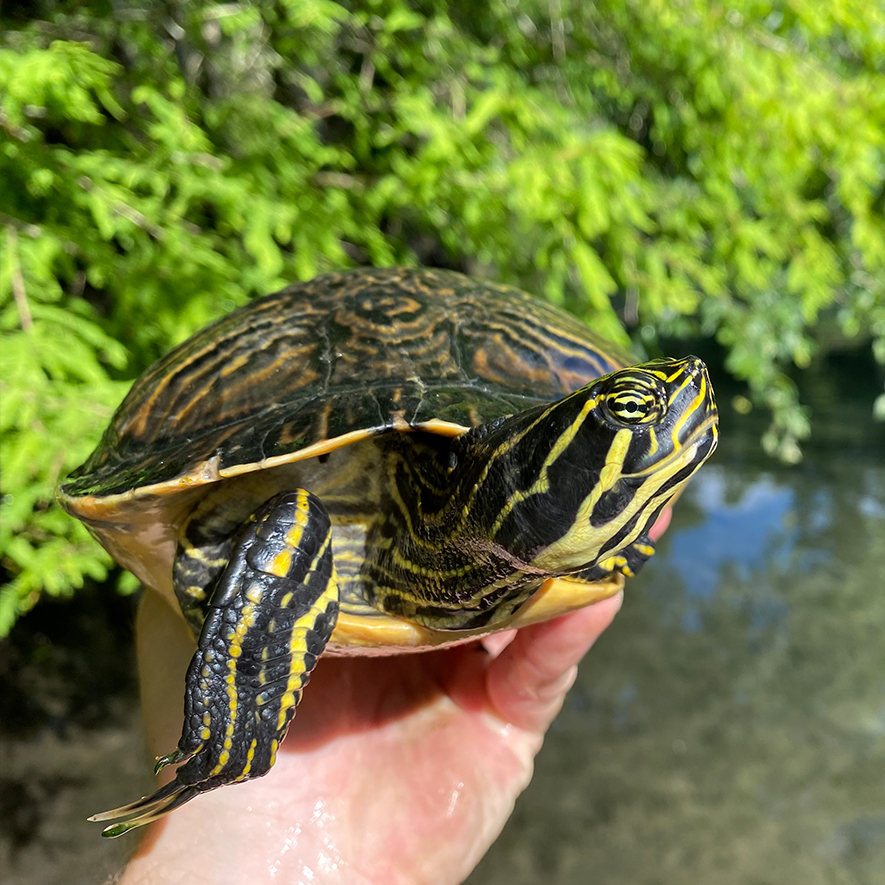
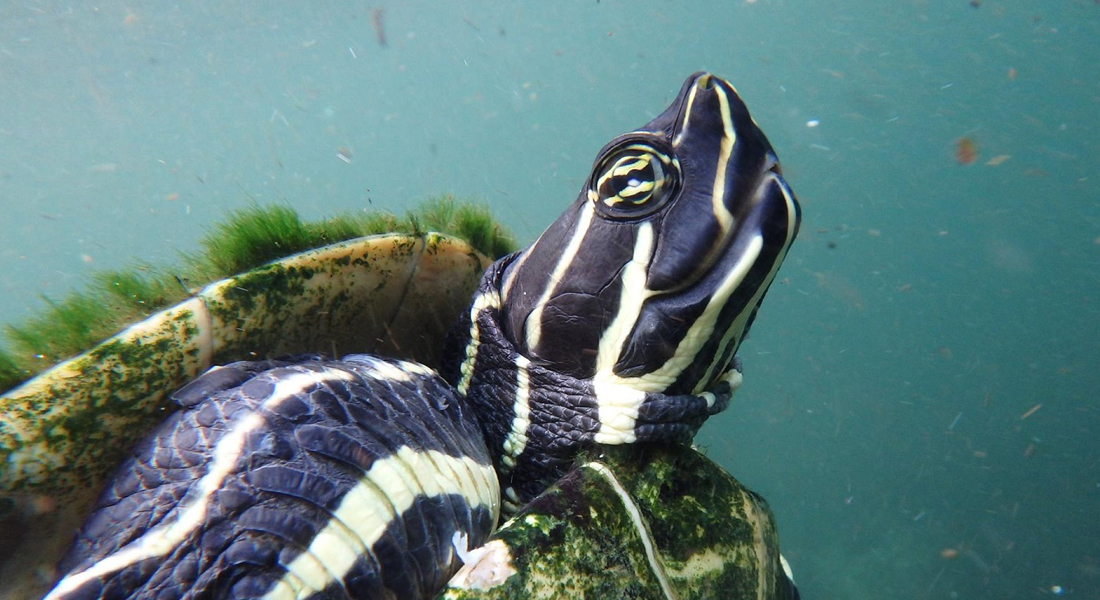
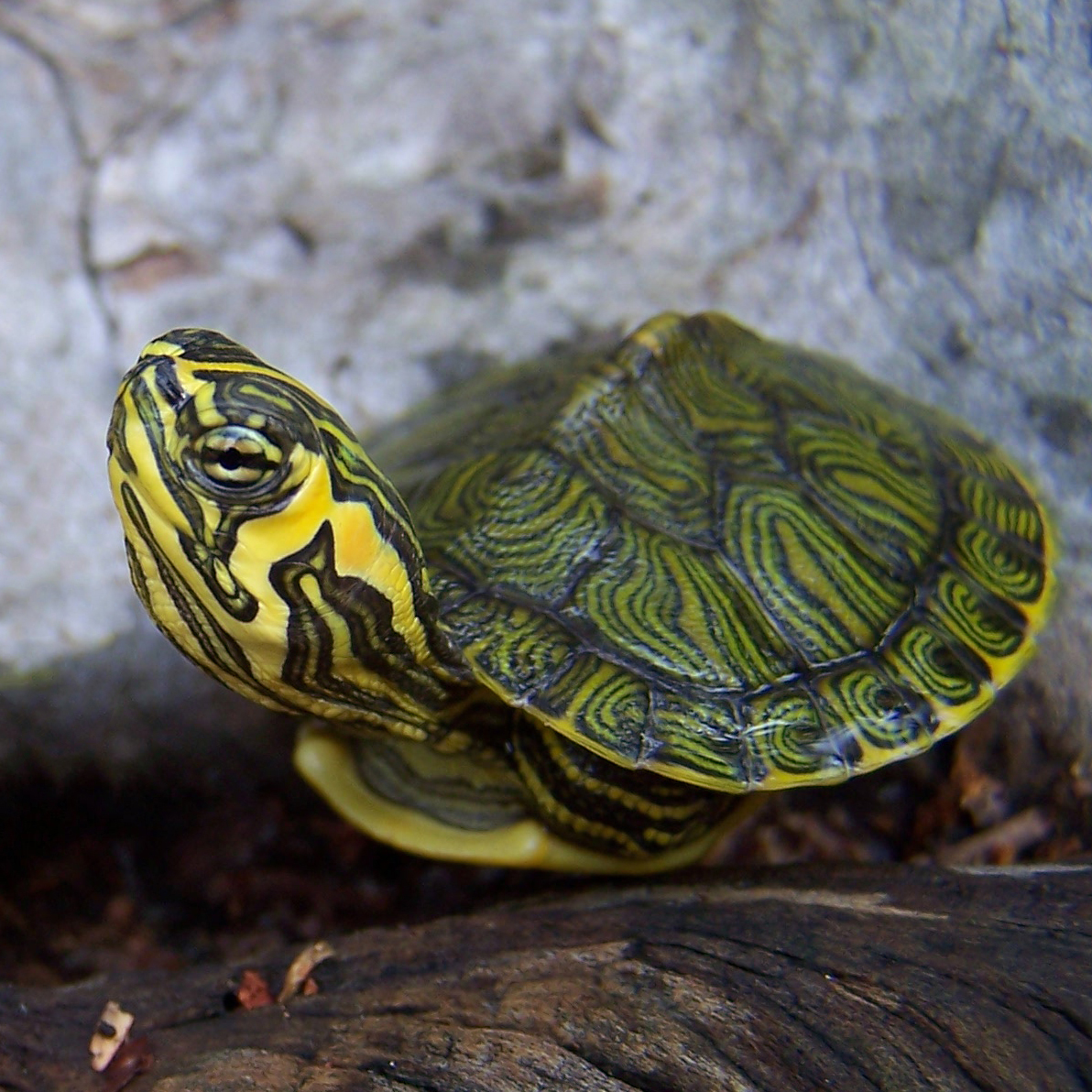
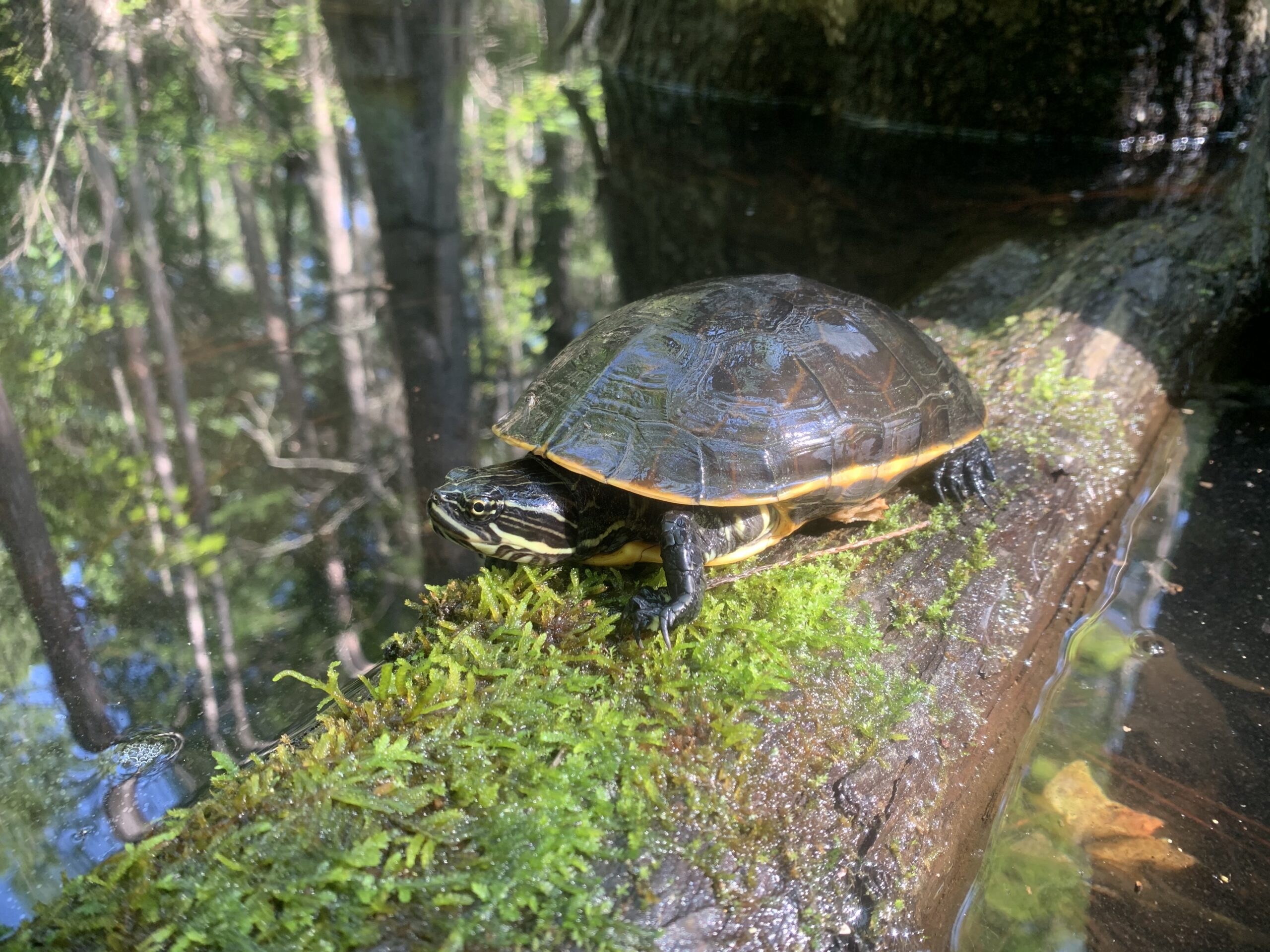
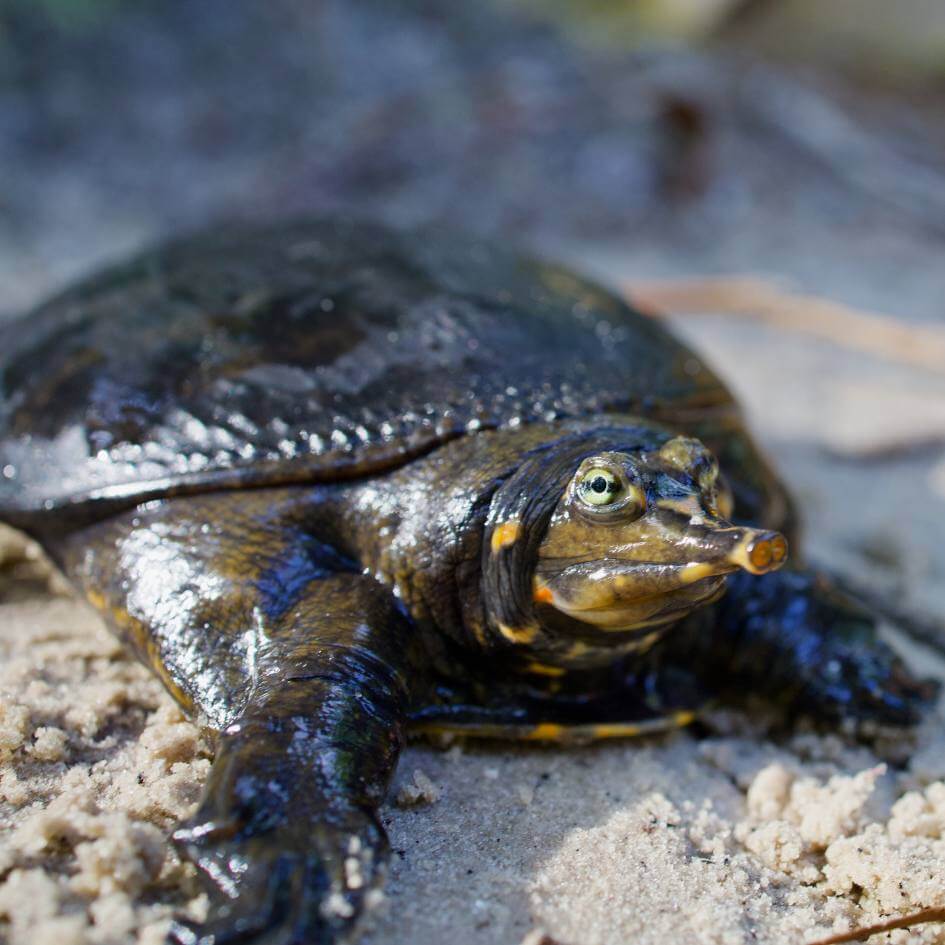
- Florida Softshell Turtle (Apalone ferox)
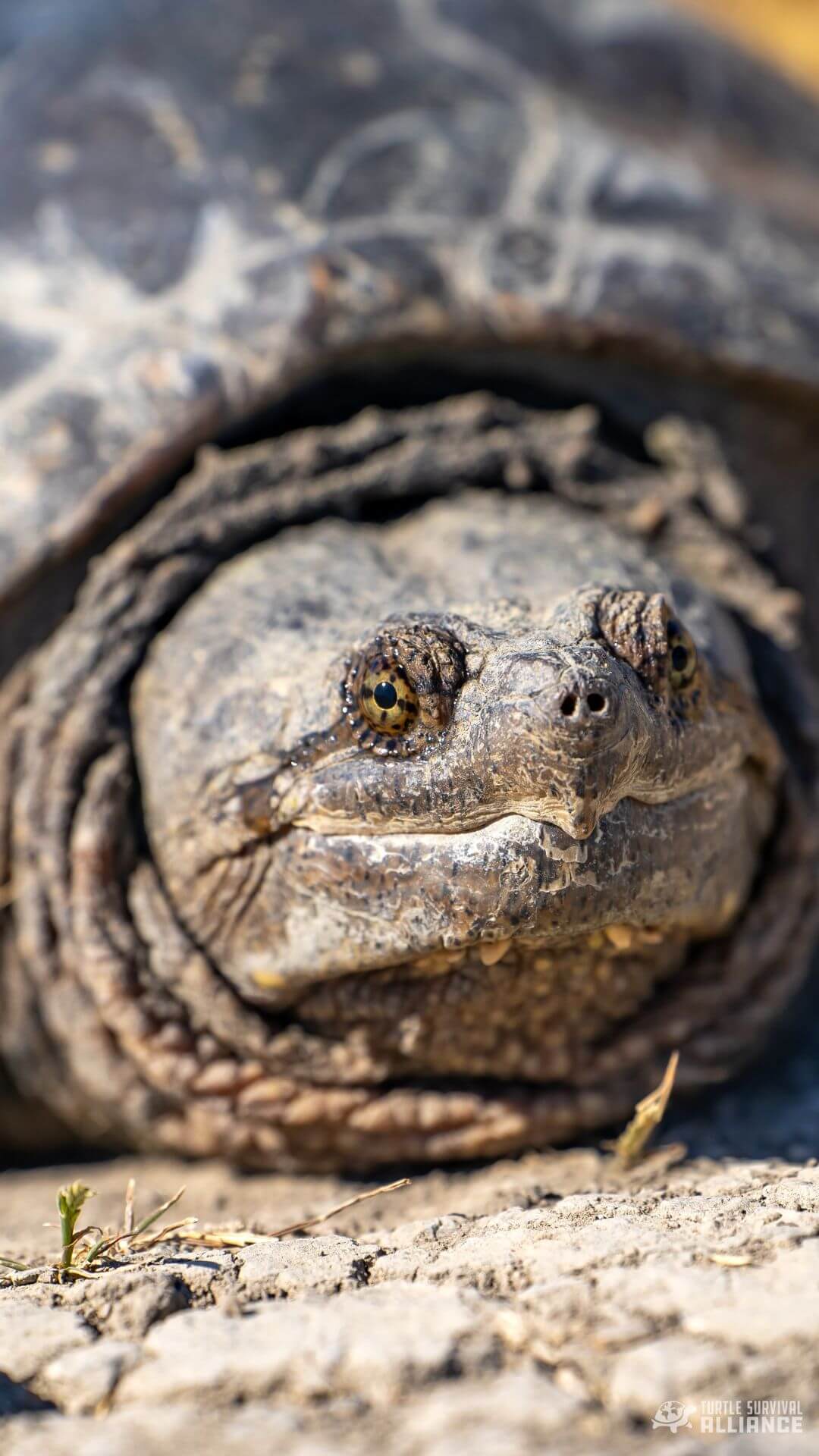
- Common Snapping Turtle (Chelydra serpentina)
- Florida Chicken Turtle (Deirochelys reticularia chrysea)
- Eastern Chicken Turtle (Deirochelys reticularia reticularia)
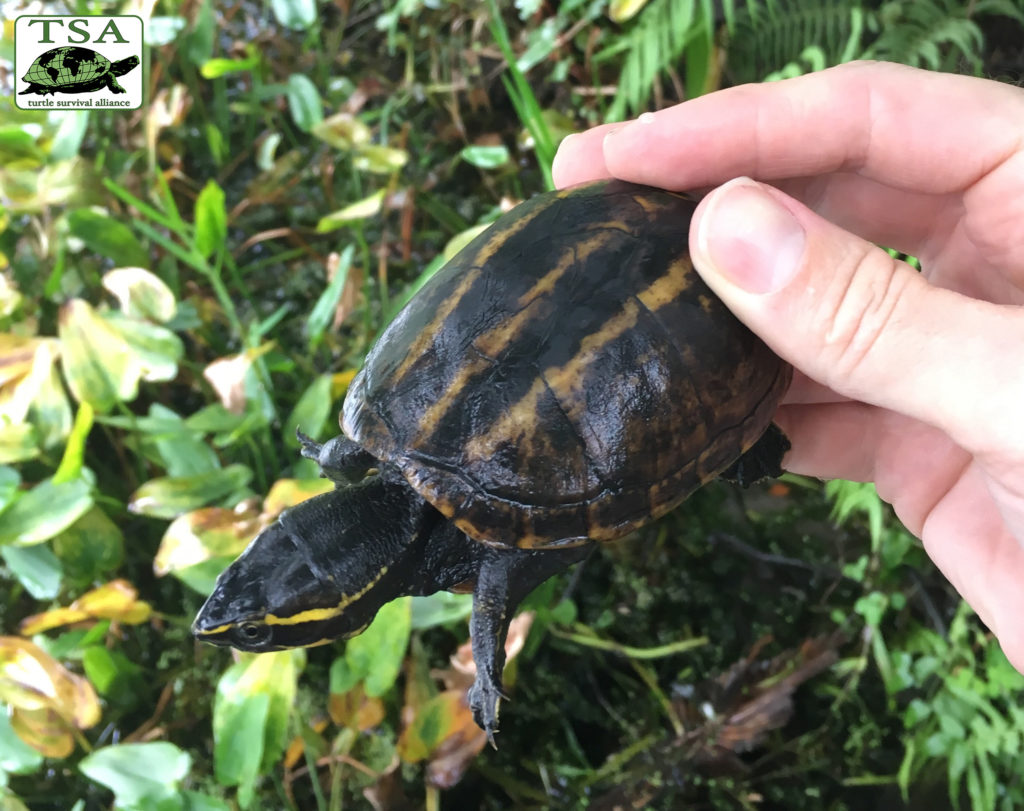
- Striped Mud Turtle (Kinosternon baurii)
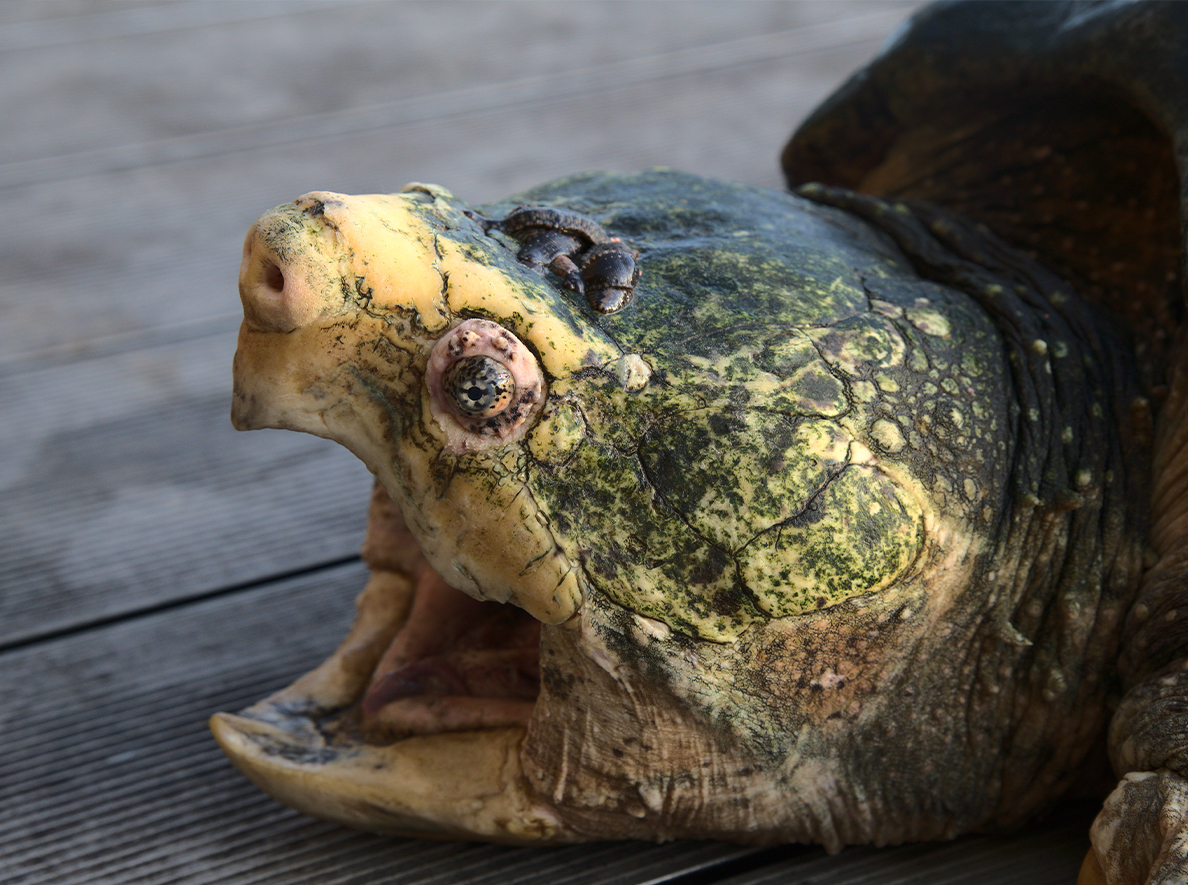
- Suwannee Alligator Snapping Turtle (Macrochelys suwanniensis)
- Suwannee Cooter (Pseudemys concinna suwanniensis)
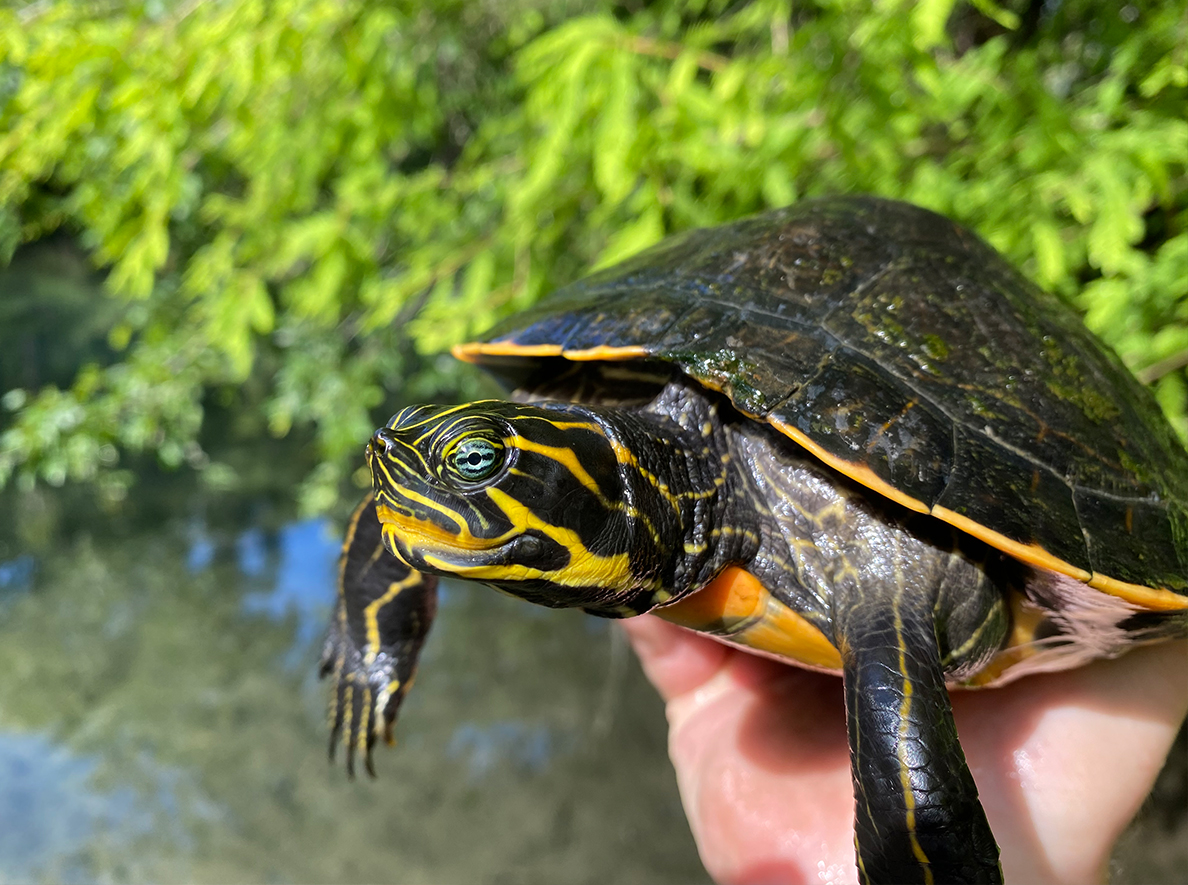
- Florida Red-bellied Cooter (Pseudemys nelsoni)
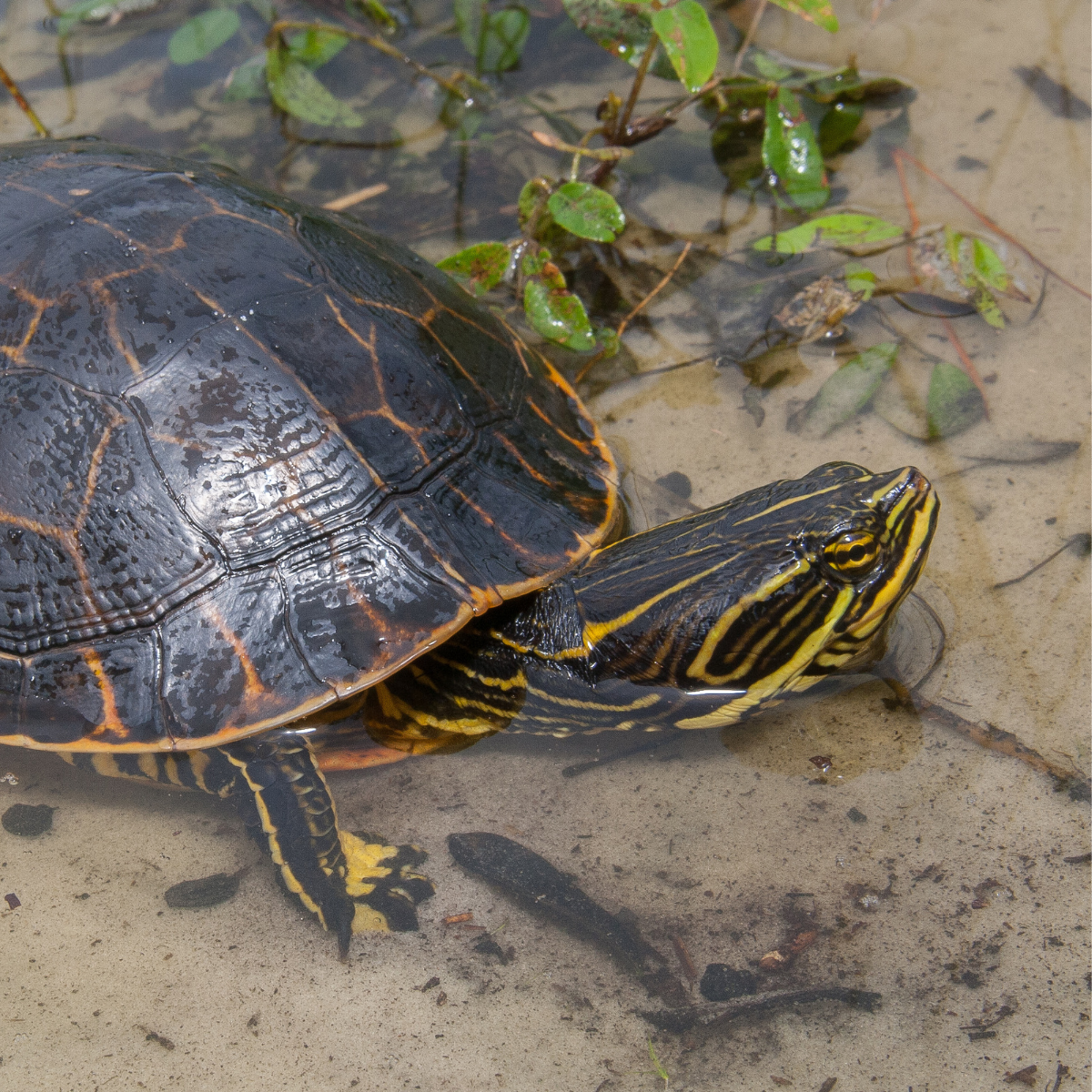
- Peninsula Cooter (Pseudemys peninsularis)
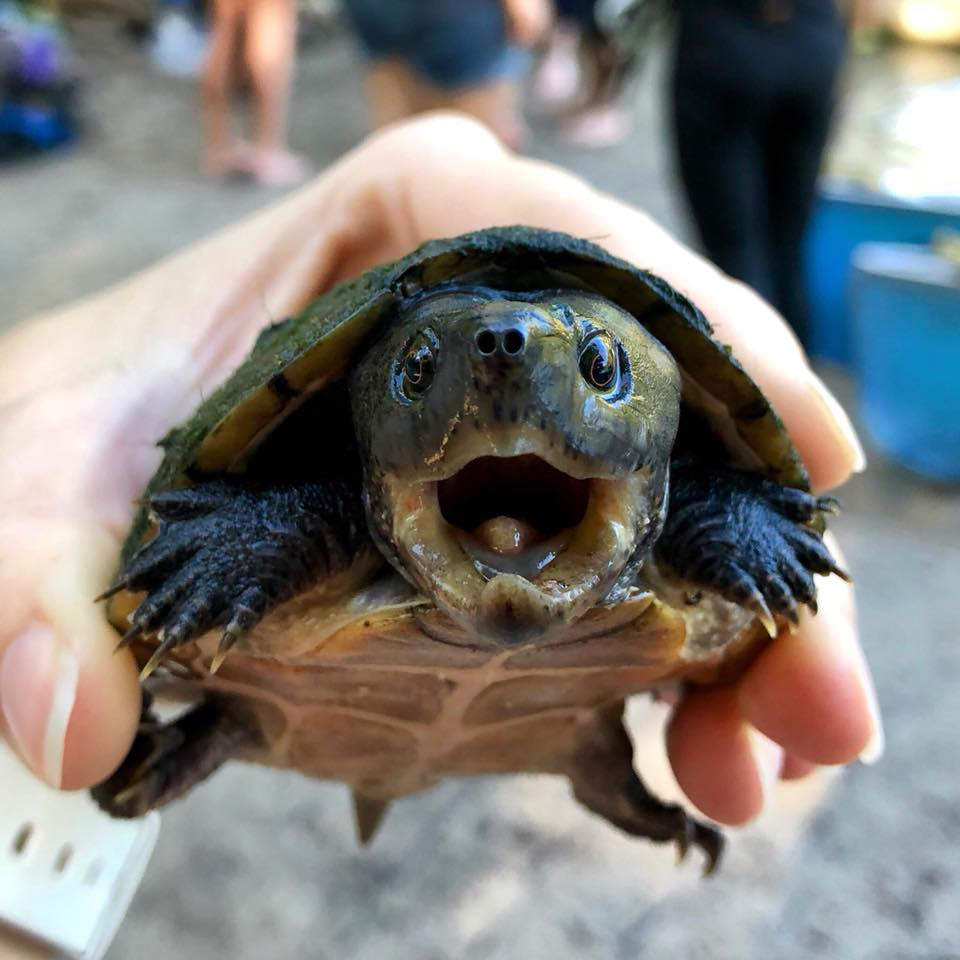
- Loggerhead Musk Turtle (Sternotherus minor)
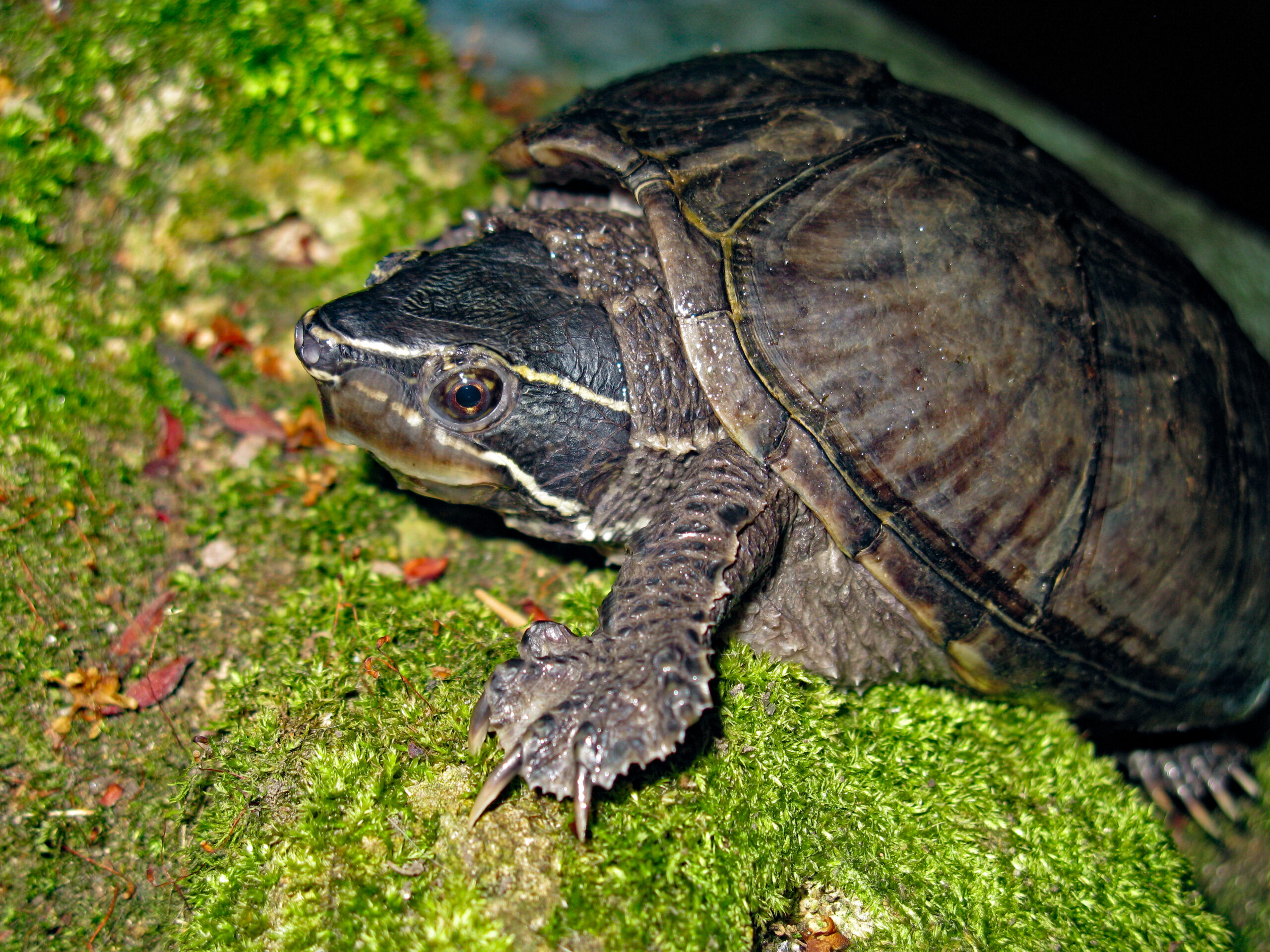
- Common Musk Turtle (Sternotherus odoratus)
- Yellow-bellied Slider (Trachemys scripta scripta)
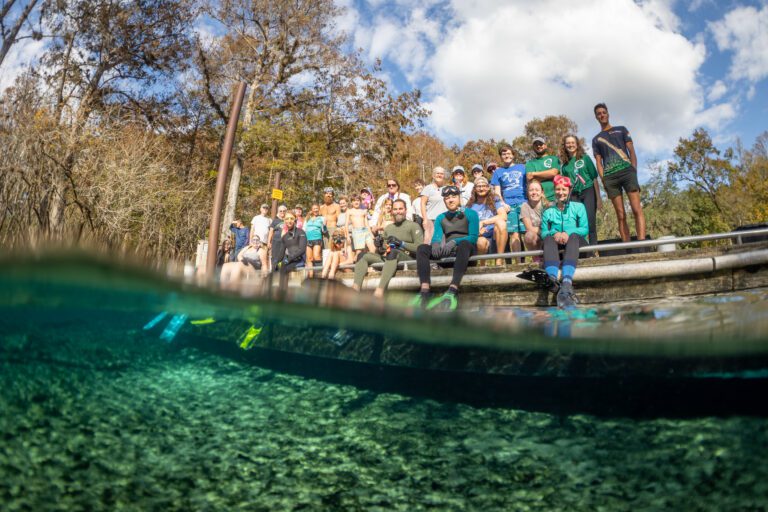
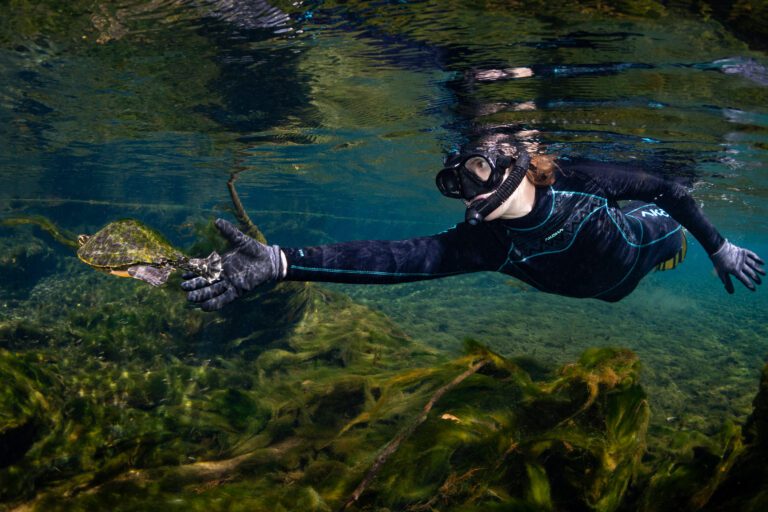
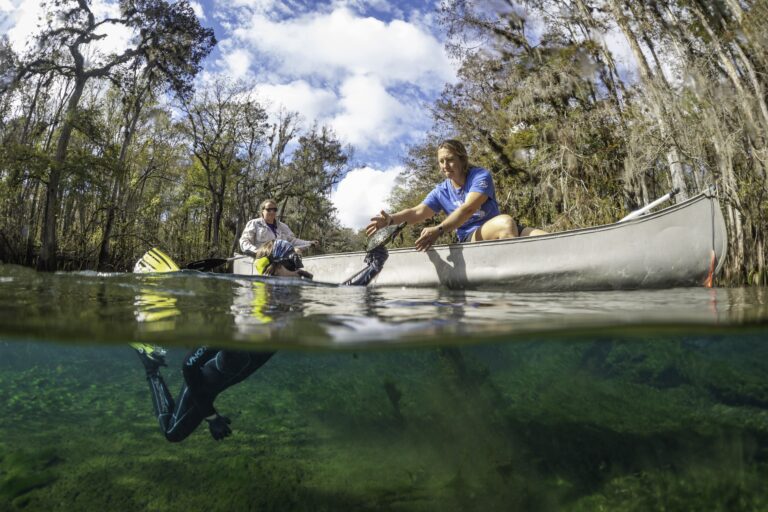
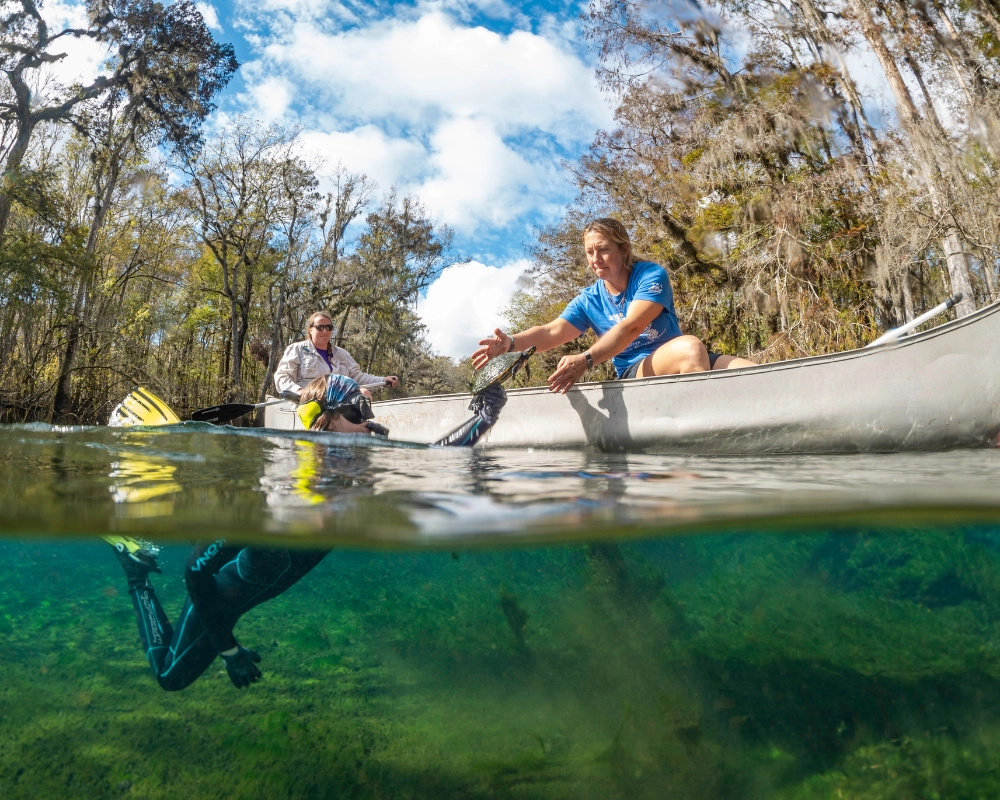
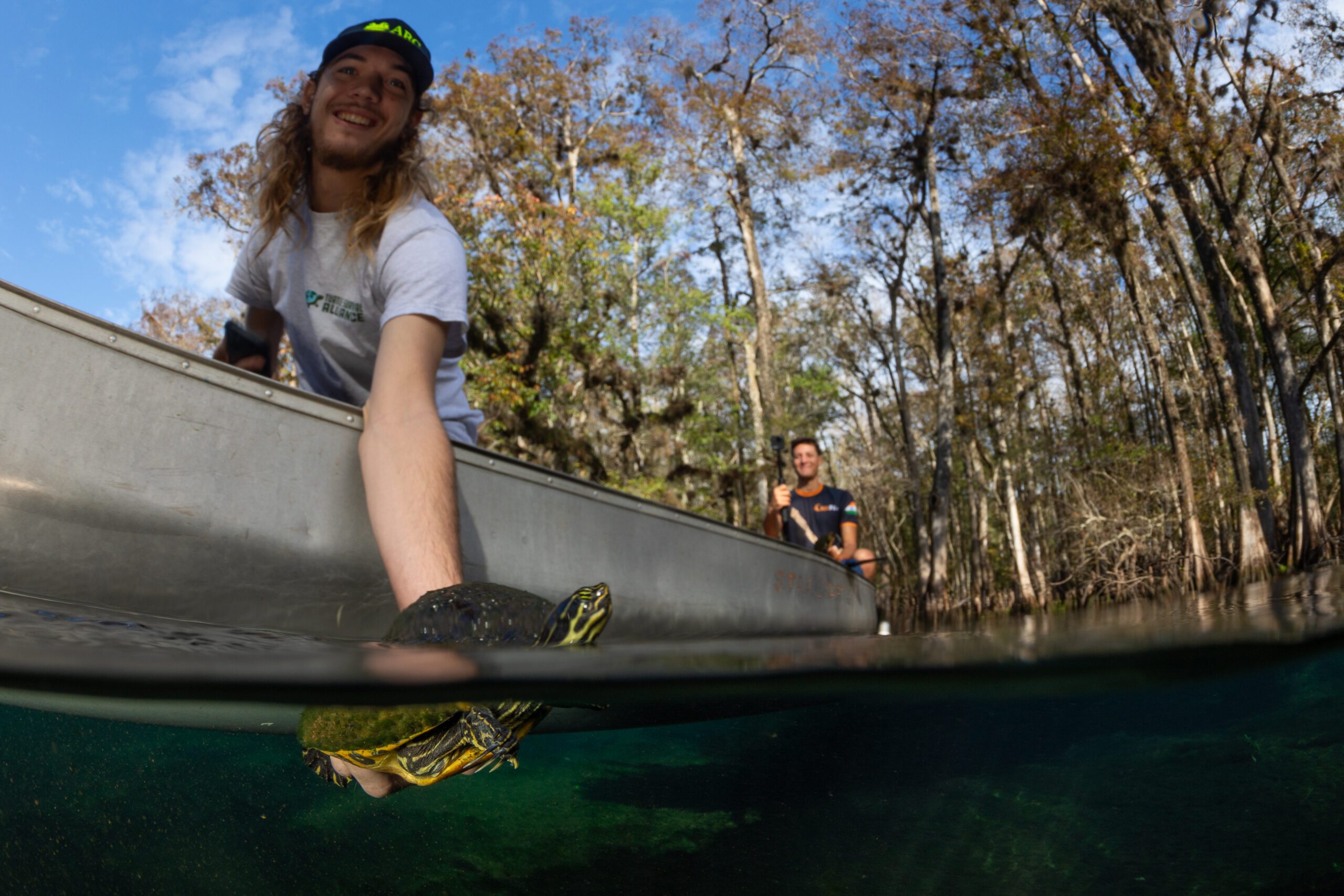
Plunge into Florida’s natural springs, where crystalline waters bubble from ancient boils and vibrant runs teeming with fish, turtles, and aquatic plants. As a volunteer, you’ll take on exciting, hands-on roles: snorkel through sparkling waters to locate and safely capture turtles, or paddle alongside teammates in canoes or kayaks to receive them. Onshore, help organize species bins and keep every turtle secure. Then dive into the science, measuring, weighing, and recording the vital data that drives conservation forward.

Kiawah Island Diamondback Terrapin Project
Kiawah Island, South Carolina, USA
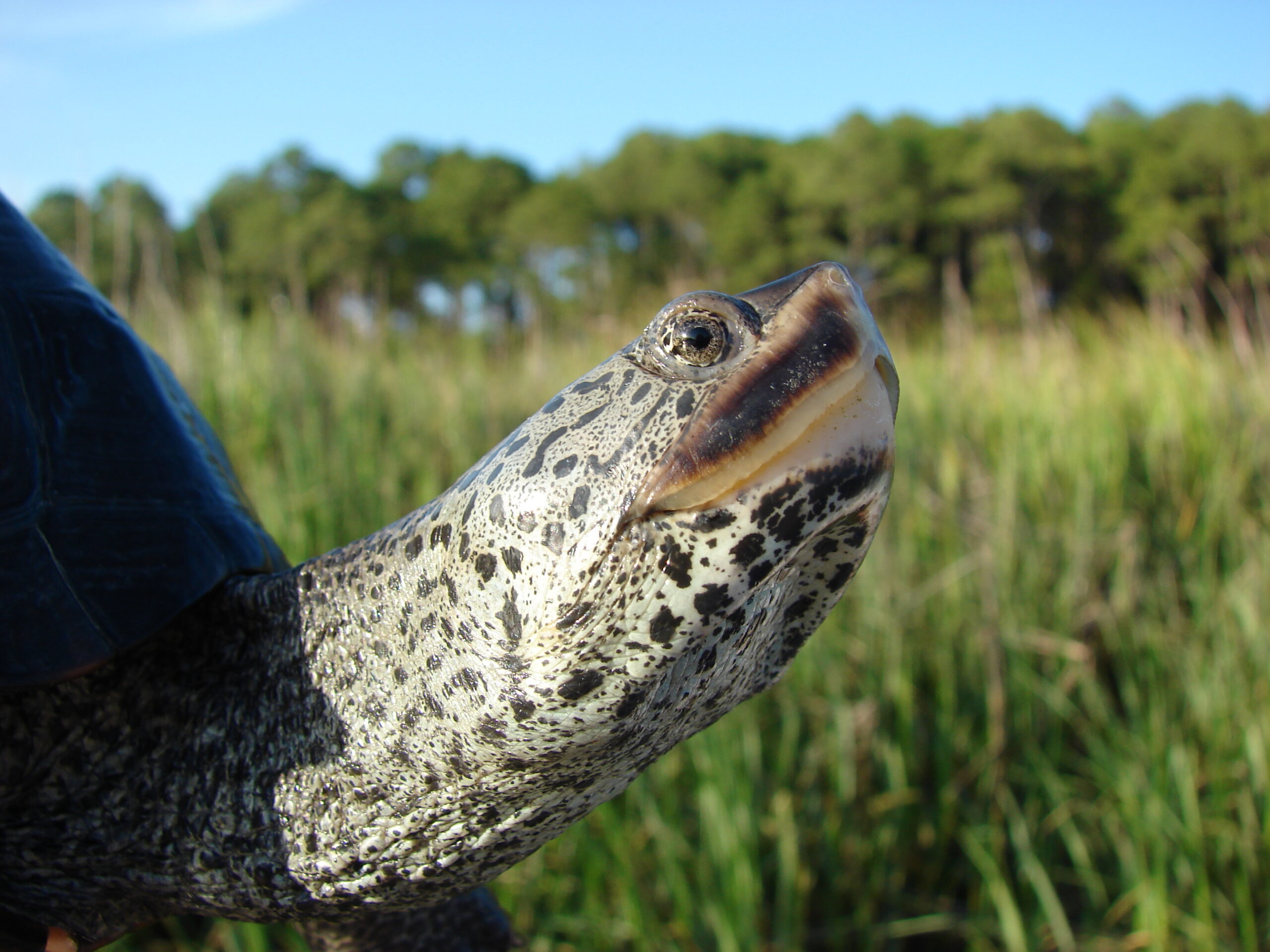
- Carolina Diamondback Terrapin (Malaclemys terrapin centrata)
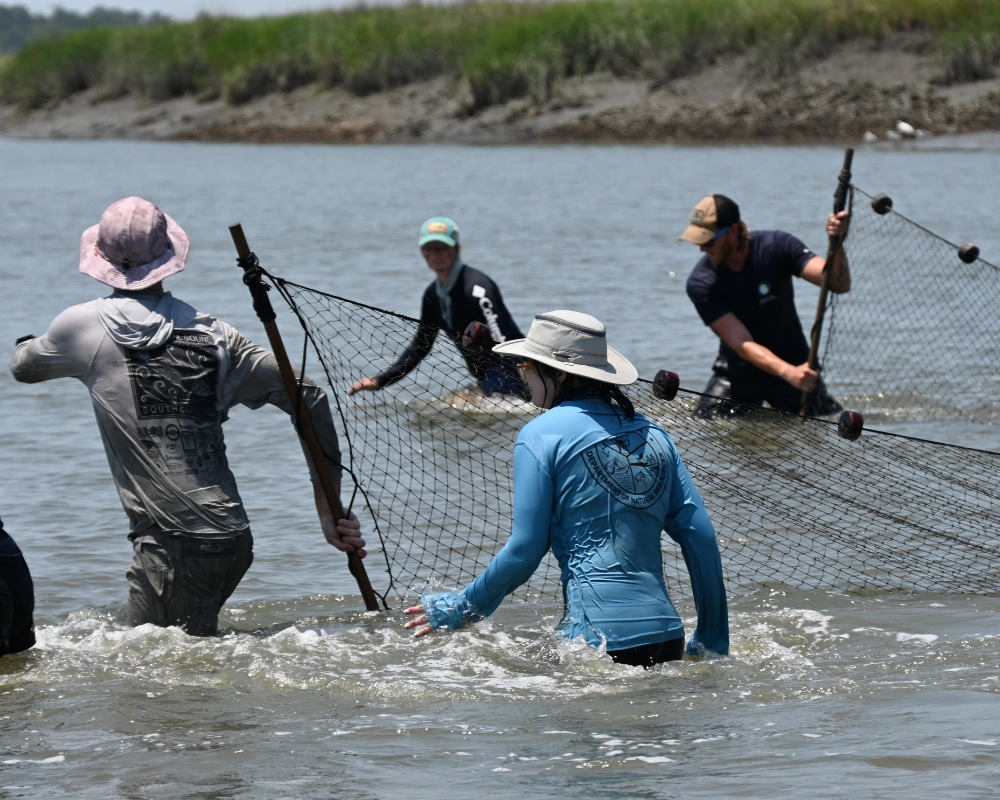
Venture into South Carolina’s tidal salt marsh, where winding creeks are alive with turtles, birds, crabs, fish, and stingrays. Join our team as a volunteer and take part in the longest-running study of this species in the United States: boating out to tidal creeks, dragging seine nets through the water with teamwork and determination while pushing through thick, often deep mud, working together to capture turtles, and assisting with processing, measuring, weighing, marking, and recording the vital data that keeps this decades-long research going. The work is grueling but deeply rewarding, muddy, memorable, and meaningful.
The Post & Courier joined us for our May 2026 survey on Kiawah Island. Read the article for a glimpse into the project.
Lowcountry Diamondback Terrapin Project
Beaufort County, South Carolina, USA
Venture into South Carolina’s tidal salt marsh, where winding creeks are alive with turtles, birds, crabs, fish, and stingrays. As a volunteer, you’ll have the opportunity to immerse yourself in a new study spearheaded by the Port Royal Sound Foundation and the University of South Carolina–Beaufort. Based at Coastal Expeditions Beaufort, you’ll plunge into a brackish tidal creek, dragging seine nets through the water driven by teamwork and determination. Expect to push through thick, often deep mud as you work together to capture turtles, then assist with processing, measuring, weighing, marking, and recording vital data that is foundational to this study. The work is grueling but deeply rewarding, muddy, memorable, and meaningful.
Read the article in The Island News on our sample in June 2026 to learn more about this project.
Team Terrapin
Northeast Florida, Duval, Nassau, and St. Johns counties, Florida, USA
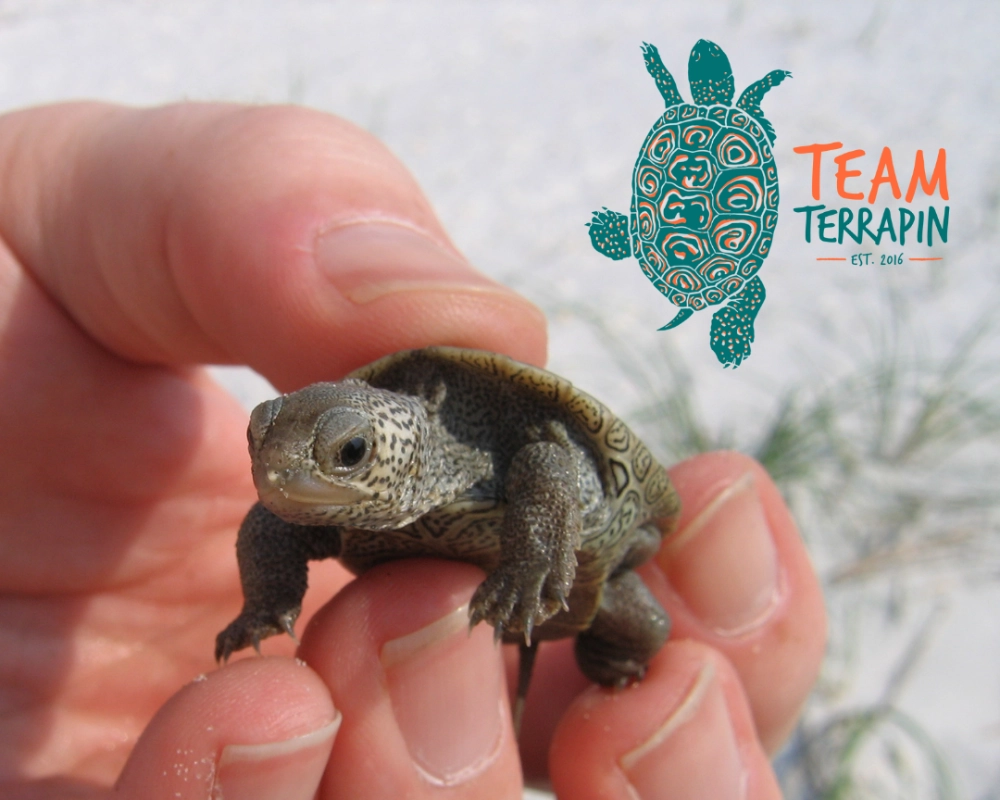
For a more committed experience, join us in North Florida, where from April 1 to September 30 trained volunteers search for terrapin crawls, locate and mark nests with GPS, and sometimes encounter nesting females or hatchlings. Alongside scientists and field leaders, you will help collect vital data by measuring, weighing, notching, and PIT-tagging turtles, as well as recording nest activity, predation, and hatching events. Volunteers commit to at least one field day every two weeks, with training provided in March through online modules, field instruction, and hands-on turtle handling. All you need is interest, passion, and dedication, and we will teach you the rest.
Note: some sites are semi-isolated and will require the use of kayaks or canoes (provided)
Read about the impact of Team Terrapin in our blog: Team Terrapin: Conservation is No Walk on the Beach

Lakewood Sanctuary Turtle Project
Lake Washington, Seattle, Washington, USA
- Spiny Softshell Turtle (Apalone spinifera)
- Western Painted Turtle (Chrysemys picta bellii)
- Red-eared Slider (Trachemys scripta elegans)
For a hands-on field experience set against the backdrop of South Seattle, join us in a protected cove of Lake Washington, where you’ll take part in turtle assessments during the active season. You’ll help deploy and check baited hoop nets, conduct hand captures, use dip nets, and snorkel in shallow waters to locate turtles. Once captured, you’ll assist with data collection by measuring, weighing, and notching individuals to better understand species composition. Volunteers are encouraged to participate regularly, with training provided through field instruction and hands-on handling.
Turtle Survival Alliance
Volunteer Science Membership: $50
To participate in the Volunteer Science surveys, you must be a Volunteer Science member at this level. Volunteer Science participants will receive a T-shirt with their membership. This membership helps fund the supplies and cost of these surveys.
Key Species
Key Species
Want to help Volunteer Science?
Support