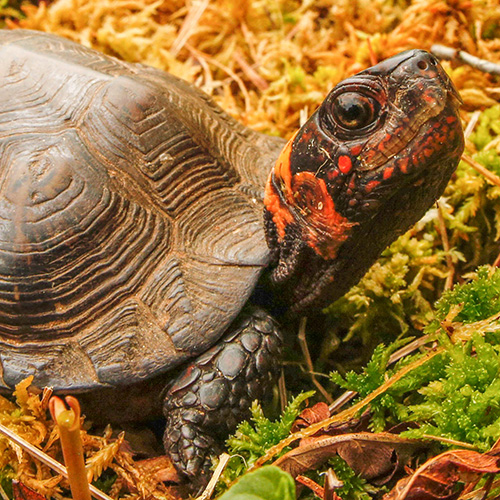
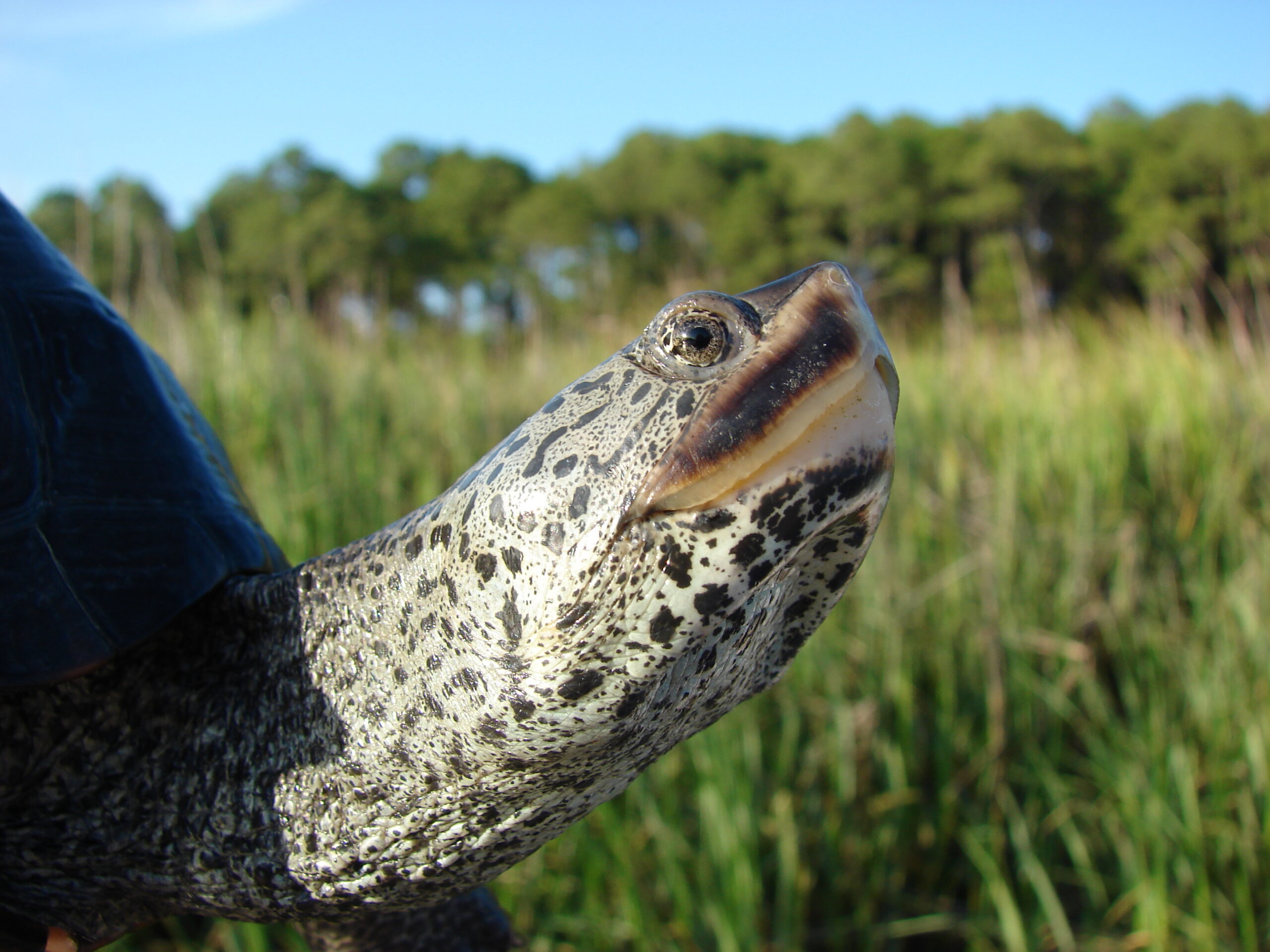
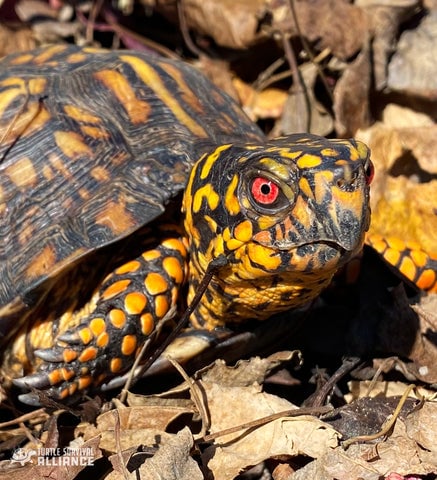
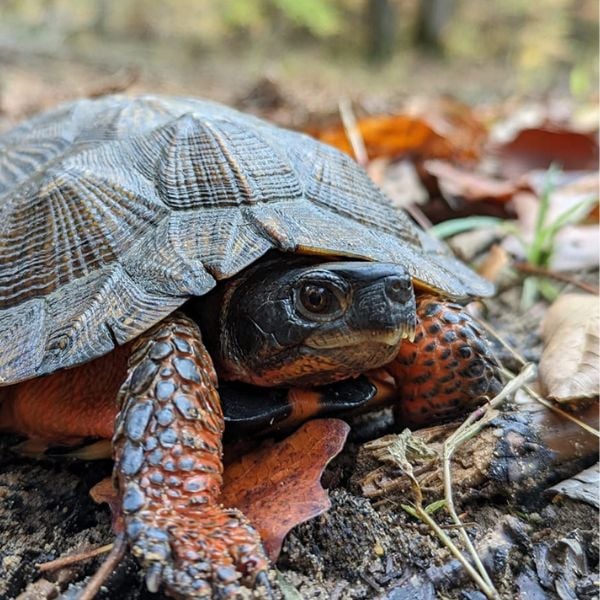
Found around the world in rivers, deserts, jungles, and our own backyards, it’s easy to assume tortoises and freshwater turtles will always be here. But the very traits that once helped them survive render them vulnerable to extinction today.
To save turtles, we all play a role. Every day, tortoises and freshwater turtles around the globe face pressing threats. Your support equips us to support species where and how they need us most.
Turtles are ancient and remarkable creatures who deserve a champion. When you stand with us, you help ensure their continued survival. Together, we can create a world with zero turtle extinctions.
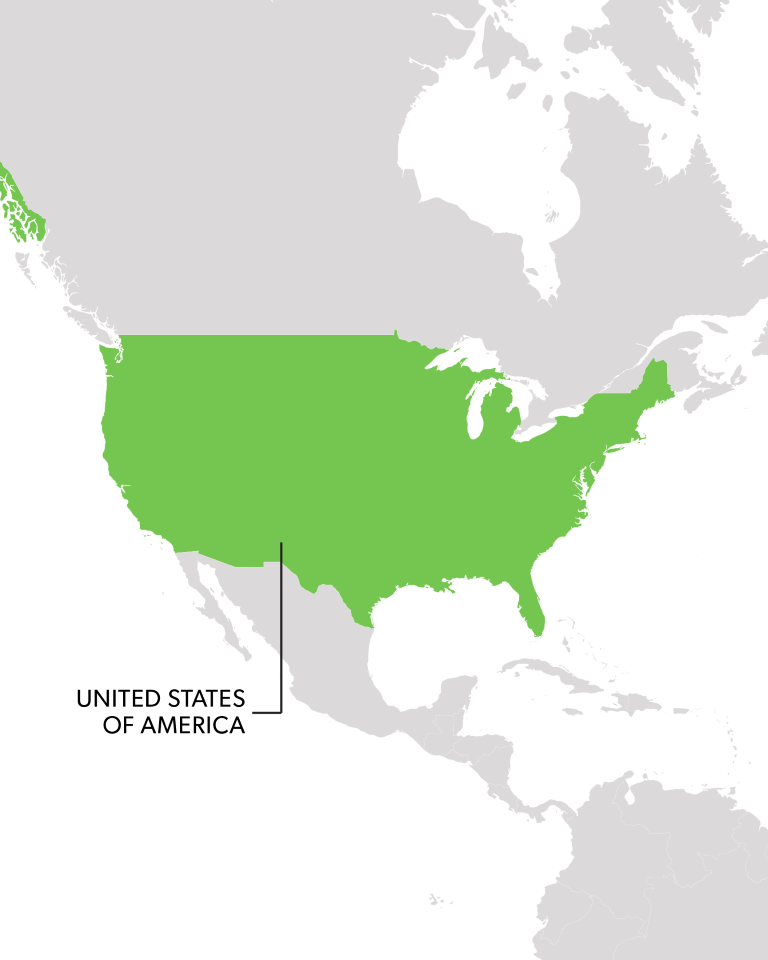
Turtles and tortoises are among the world’s most threatened vertebrates, and illegal trafficking continues to accelerate their decline. In the United States—home to more turtle species than any other country—millions of native turtles have been exported over the past two decades, and many that are confiscated from illegal trade arrive in poor health and with no information about where they were taken from. Returning these animals to the wild is often challenging, because releasing them in the wrong location can harm both the turtles and the ecosystems that receive them.
The Atlas of Turtle Genomes for Conservation (ATGC) is a nationwide initiative led by the Turtle Survival Alliance and The University of California, Los Angeles (UCLA) to address this challenge.
By generating detailed genetic maps for turtle species across their entire native ranges, ATGC provides a new way to pinpoint the geographic origin of confiscated turtles. This genomic “roadmap” not only helps guide safe, scientifically informed repatriation efforts—it also reveals where poaching is most concentrated, allowing law enforcement and conservation agencies to focus their actions where they are needed most. Together, these advances strengthen efforts to combat trafficking and support the recovery of wild turtle populations.
Key Innovations of ATGC
ATGC brings together cutting-edge science, broad collaboration, and practical conservation tools to overcome long-standing limitations in turtle genetic research.
ATGC unites researchers, agencies, and conservation partners across the country to create the most complete, range-wide sample collection ever assembled. This coordinated effort fills geographic gaps that previously reduced assignment accuracy.
ATGC standardizes all data using whole-genome sequencing—the highest-resolution genetic method available. Unlike past approaches, which relied on fragmented or incompatible datasets, whole-genome reference maps ensure that new samples, new species, and new technologies can be integrated seamlessly as the field evolves.
ATGC pioneers faster, more flexible laboratory protocols, allowing a wider network of labs to process confiscated samples and dramatically reducing turnaround times.
ATGC uses advanced machine-learning tools to detect subtle genetic differences across landscapes, offering precise, confidence-based predictions of where each turtle originated.
ATGC will deliver all results through a secure, user-friendly digital platform, giving wildlife agencies immediate access to clear, actionable information that supports enforcement, repatriation, and long-term species recovery.