
For Immediate Release
August 28, 2026
CONTACT: Jordan Gray, Turtle Survival Alliance, (912) 659-0978, jgray@turtlesurvival.org
- Belize approves a new conservation and action plan for the critically endangered Central American River Turtle, or Hicatee, providing a national roadmap for the species’ long-term survival.
- The plan outlines 58 strategic actions spanning law enforcement, legislation, community education, captive management, reintroductions, research, in situ conservation, and habitat protection and restoration.
- Turtle Survival Alliance, the Belize Foundation for Research and Environmental Education, and partners are moving toward implementation, building on more than 15 years of conservation work for the species in Belize.
North Charleston, South Carolina, United States of America — Turtle Survival Alliance, along with our partner, the Belize Foundation for Research and Environmental Education (BFREE), announced today that the Belize Fisheries Department within the Ministry of Blue Economy & Marine Conservation has approved and endorsed a conservation and action plan for the Central American River Turtle (Dermatemys mawii), locally known in Belize as the Hicatee.
“The approval of this plan is more than a milestone, it’s a commitment to action. The Central American River Turtle has deep cultural importance to Belizean communities, while decades of unsustainable harvest have placed tremendous pressure on wild populations. Now we have a shared roadmap to turn strategic priorities into meaningful progress for the species. Turtle Survival Alliance is proud to support Belize and our partners as we take that next step together,” said Marc Dupuis-Desormeaux, President and CEO of Turtle Survival Alliance.
The Dermatemys Conservation and Action Plan serves as the official guiding document for advancing the conservation, long-term survival, and sustainable use of this critically endangered and culturally significant freshwater species.
The plan identifies 58 strategic actions addressing law enforcement, legislation and regulations, community outreach and education, captive management, reintroductions, research, in situ conservation, and habitat restoration and protection.
“This action plan represents a comprehensive and collaborative effort to ensure the long-term survival and sustainable use of Dermatemys mawii, an ecologically and culturally significant species that is now critically endangered,” said Beverly Wade, Chief Executive Officer of the Ministry of Blue Economy & Marine Conservation. “We commend the Belize Foundation for Research and Environmental Education (BFREE), the Turtle Survival Alliance, and all stakeholders, particularly the traditional fishing communities, for their unwavering commitment to the conservation of this iconic species.”
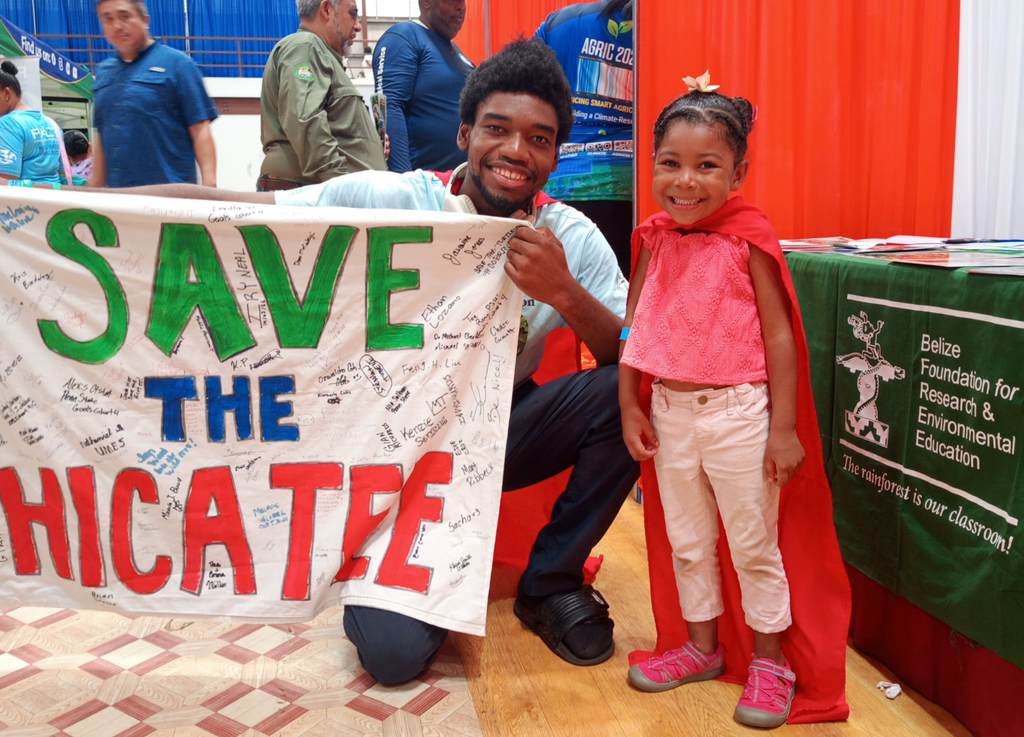
“Of the 360 living species of turtle, the Hicatee is considered one of the most threatened,” said Jacob Marlin, Director of the Hicatee Conservation & Research Center and Executive Director of BFREE. “Belize is the last hope for the species’ long-term survival. It is to everyone’s benefit that populations of Hicatee recover from overexploitation and thrive in freshwater systems throughout this country and the entirety of its range, contributing to our national pride, our shared cultural heritage, and for future generations to come.”
“Developing this action plan brings the best available science, local knowledge, and conservation experience together around a shared vision for the Central American River Turtle. Belize has demonstrated that meaningful conservation action is possible, and this plan gives us a strong foundation to build on that work and secure the species’ future,” said Andrew Walde, Senior Director of Conservation and Science for Turtle Survival Alliance.
The Belize Foundation for Research and Environmental Education (BFREE) spearheaded development of the plan in close collaboration with the Belize Fisheries Department, with support from the Turtle Survival Alliance and Zoo New England. The initiative began in 2020 with a series of workshops and strategic planning sessions and continued over the following several years.
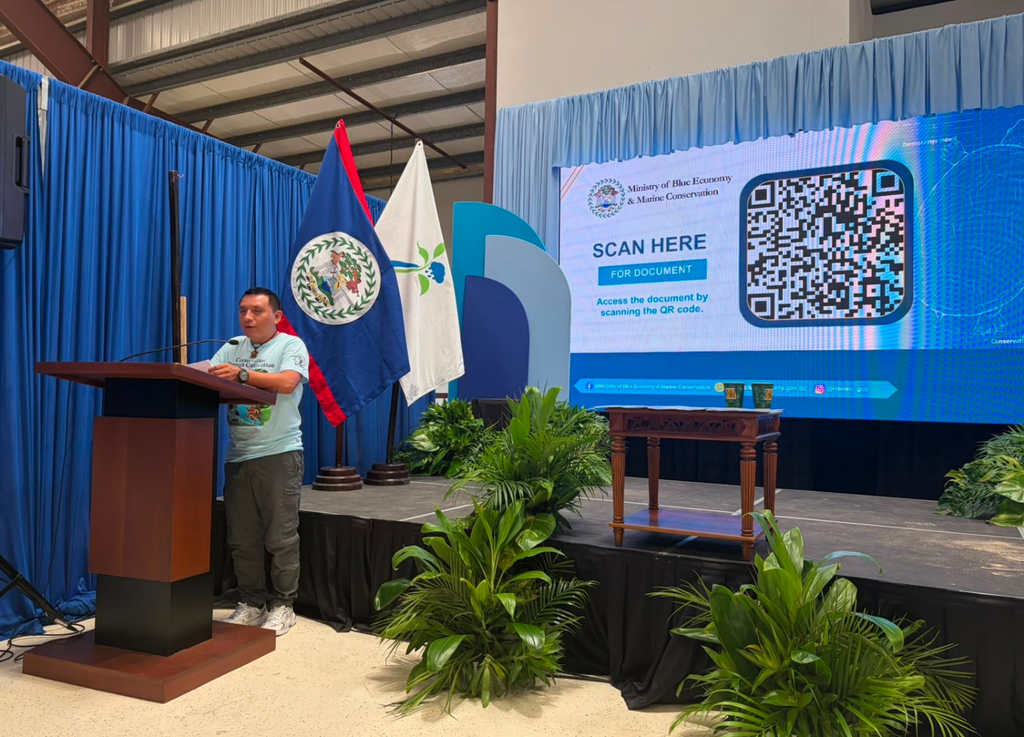
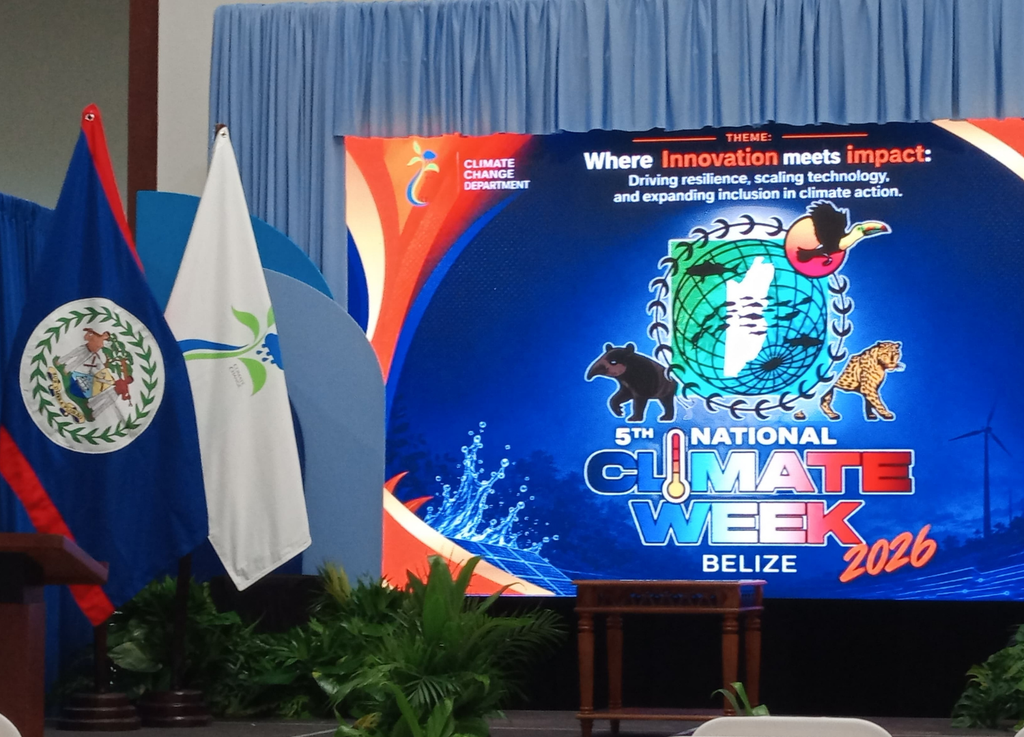
The official announcement of the Plan took place during a special session at Belize’s fifth annual National Climate Week. Belize Fisheries, BFREE, and other partners gathered in Punta Gorda at 11:00 a.m. on Monday, August 24, to mark the occasion.
The Plan was developed with input from dozens of local and international stakeholders, including scientists, conservation organizations, universities, government agencies, civil society organizations, and local fisherfolk, and is now ready for implementation.
Work is also underway to organize an international workshop in Belize to help advance and put the Plan’s priorities into action.
TSA and BFREE extend their sincere thanks to the Ministry of Blue Economy & Marine Conservation for its tremendous partnership throughout this effort, as well as to the many individuals who generously contributed their time, expertise, and knowledge to the development of the Plan. We also thank Turtle Survival Alliance Canada for funding the printing and distribution of the Plan.
The Central American River Turtle is a large, entirely aquatic freshwater turtle found in Belize, Guatemala, and southern Mexico, where it inhabits tropical rivers, lakes, oxbow lakes, and flooded forests.
Once widespread throughout its range, the species has experienced severe population declines and has been extirpated from many areas, with remaining populations often greatly reduced. The primary threat is unsustainable harvesting for human consumption, while habitat loss, degradation, and fragmentation also contribute to its decline. The Central American River Turtle is classified as Critically Endangered on the IUCN Red List, reflecting the severity of these widespread population declines.
Since 2010, TSA and BFREE have worked together to advance Central American River Turtle conservation, establishing the Hicatee Conservation & Research Center in 2011. The program combines captive breeding and headstarting with field research on wild populations, studies of natural history and ecology, and reintroduction efforts; community education and awareness programs that have engaged thousands of Belizean students; and initiatives to strengthen local conservation capacity and protect critical habitat. In 2021, TSA, BFREE, and conservation partners helped secure 30,000 acres, including Cox Lagoon, an important Central American River Turtle habitat connected to the Belize River. To date, more than 1,000 headstarted Central American River Turtles have been released into the wild, representing a significant step toward restoring self-sustaining populations and securing the species’ future in Belize.
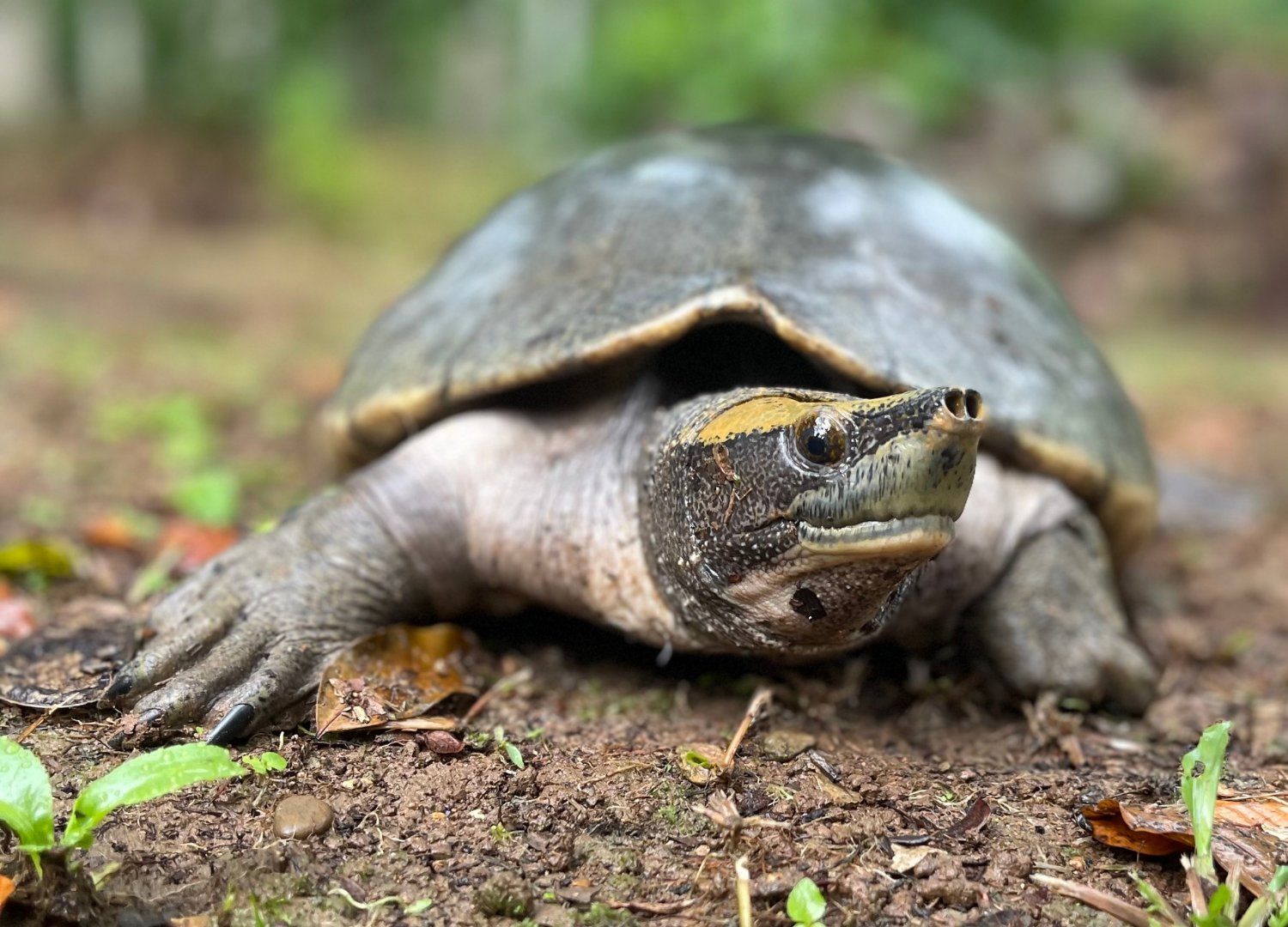
Header image: A Central American River Turtle (Dermatemys mawii). Photo by Rachael Harff
###
About Turtle Survival Alliance
Formed in 2001 and gaining nonprofit status in 2004, Turtle Survival Alliance is a global conservation organization with a mission to protect and restore wild populations of tortoises and freshwater turtles through science-based conservation, global leadership, and local stewardship. Our science-based initiatives are directed by local leaders, inspiring sustainable, community-based stewardship to prevent extinctions. Where populations cannot yet thrive in the wild, our conservation breeding programs preserve opportunities for their future survival. Turtle Survival Alliance operates or supports projects in over 30 countries around the world, protecting critical habitats and providing on-the-ground resources to safeguard the most imperiled turtle and tortoise species. Through these efforts, we make a positive impact on well over 100 species of turtles and tortoises. For more information, visit us on our website and join the conversation and learning experience on Facebook, Instagram, YouTube, X, Bluesky, and LinkedIn.
You can support these efforts and conservation programs around the world with a donation.