
By Marjorie Pinzon, WCS Colombia, and Makayla Peppin-Sherwood, Turtle Survival Alliance
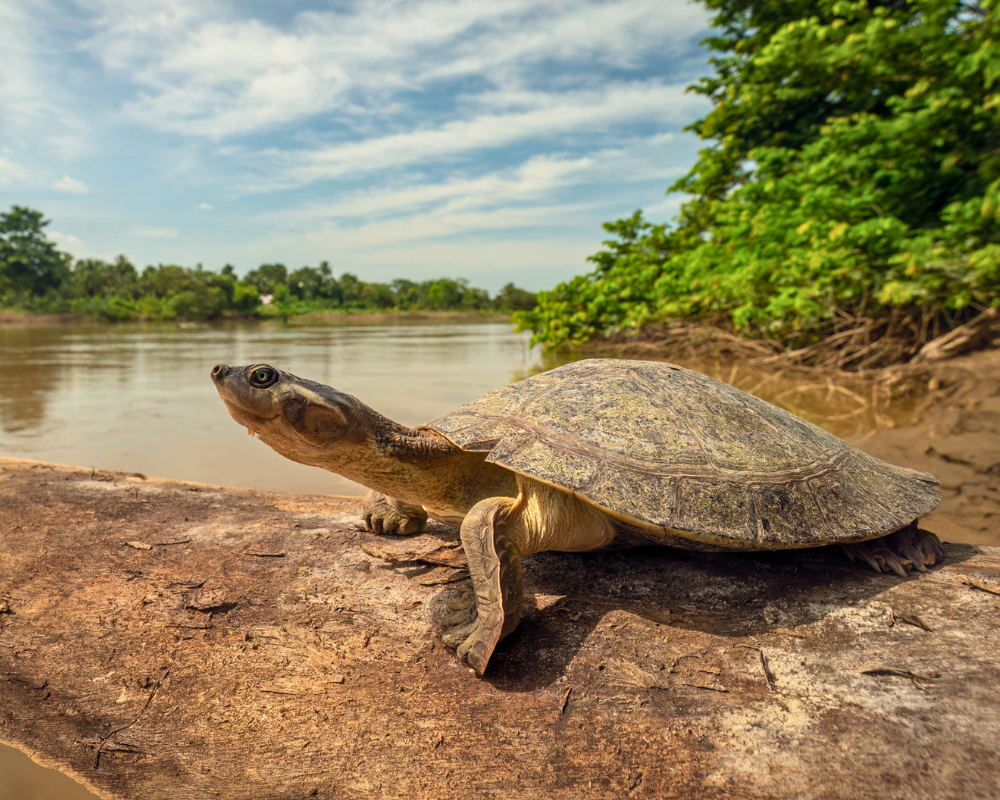
The Magdalena River Turtle (Podocnemis lewyana) is endemic to Colombia, where it is found only in two river systems in the country’s northwest—the Magdalena and Sinú Rivers. This large, grayish-brown aquatic turtle is the only member of the genus Podocnemis that occurs naturally west of the Andes Mountains. The genus name Podocnemis means “foot armor,” a reference to the distinctive scales on the turtles’ feet.
The Magdalena River Turtle is regarded as Critically Endangered due primarily to overhunting and loss of nesting habitat. Long-term conservation for this species requires integrating biological monitoring with community-based management.
Since 2013, the Cotocá-Arriba community, supported by Wildlife Conservation Society and Turtle Survival Alliance, has spearheaded a robust nest rescue program on the Sinú River, expanding from nine nests in its inaugural year to monitoring 15 beaches. To date, over 1,000 nests have been protected and 16,000 hatchlings released. These long-term efforts were put to the test when an unexpected weather event challenged the stability of the very environment the community has worked so hard to protect.
Early this year, a cold front moving in from the Northern Hemisphere caused intense rainfall in the Colombian Caribbean, triggering a severe flooding emergency across the region. The flooding was worsened by the operational management of the Urrá hydroelectric dam, which caused an unusual increase in the Sinú River’s flow and subsequent overflow, affecting more than ten municipalities in the department of Córdoba. The rural district of Cotocá Arriba became one of the main epicenters of the emergency, with floods causing significant damage to homes and productive areas within rural communities. This extreme event also caused the flooding of nesting beaches during a period of year when the river is usually low and sand beaches emerge.
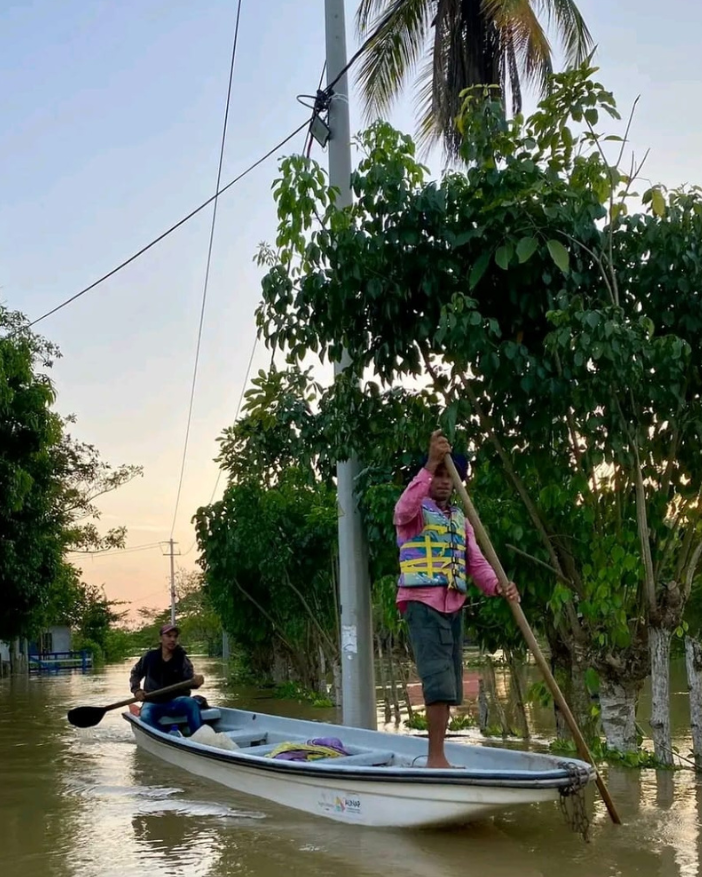
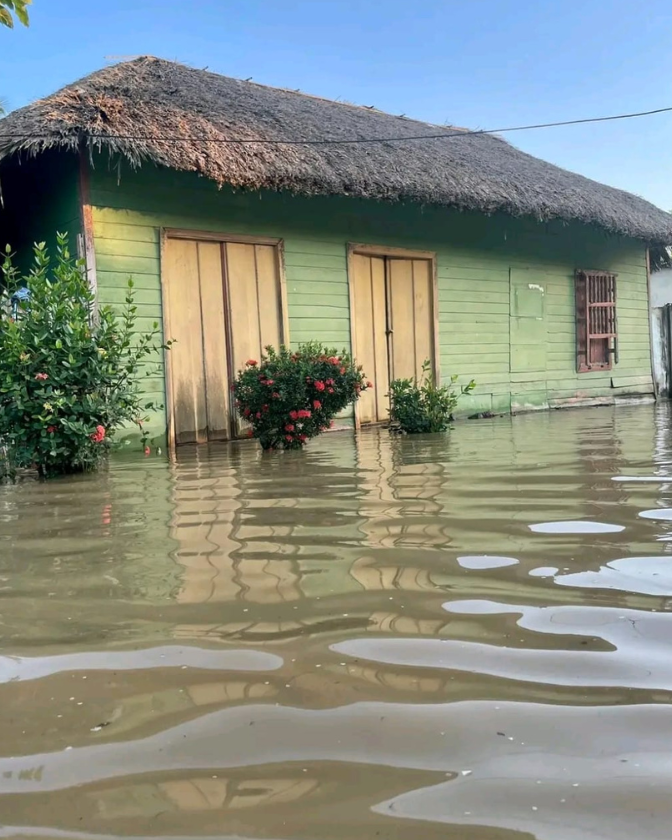
A road turned into a waterway during the Sinú River flooding. Photos by Juan Negrette
“The floods greatly disrupted our daily lives. They destroyed crops, made roads difficult to access, and damaged our homes. It was frustrating to feel that we were losing the results of our hard work. However, this challenge also brought us together as a community, helping one another and protecting what mattered most during the emergency.” said Juan Negrette, nest-rescue technician and member of the Cotocá Arriba community.
Despite these immense challenges, the local community gathered to protect the turtles and their nests. In a race against the clock, community members patrolled beaches for nests in between floodwater surges.
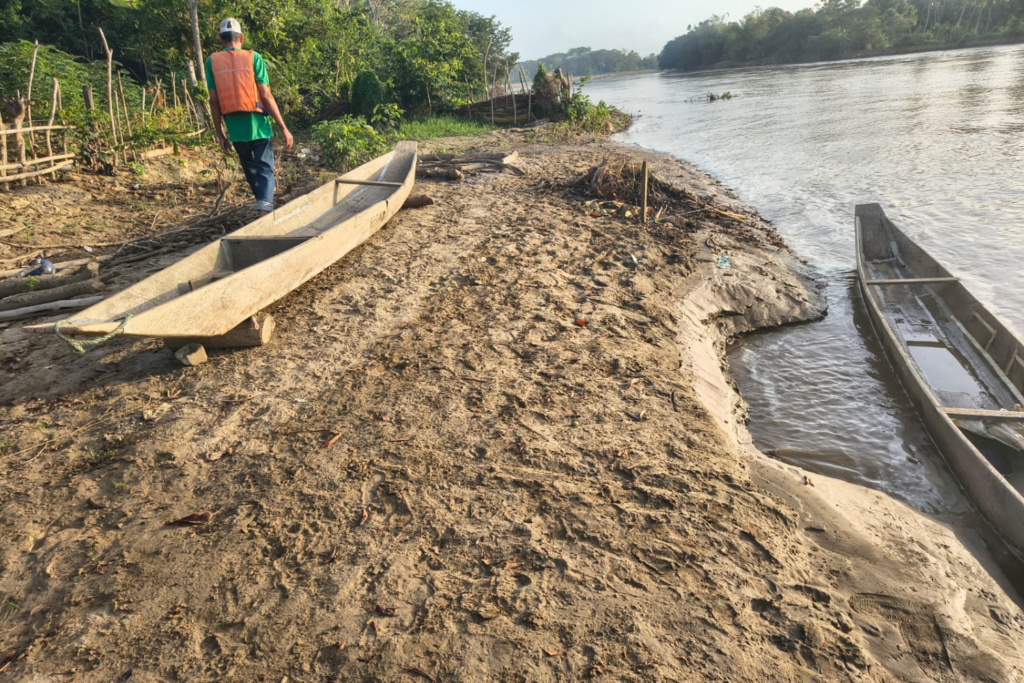
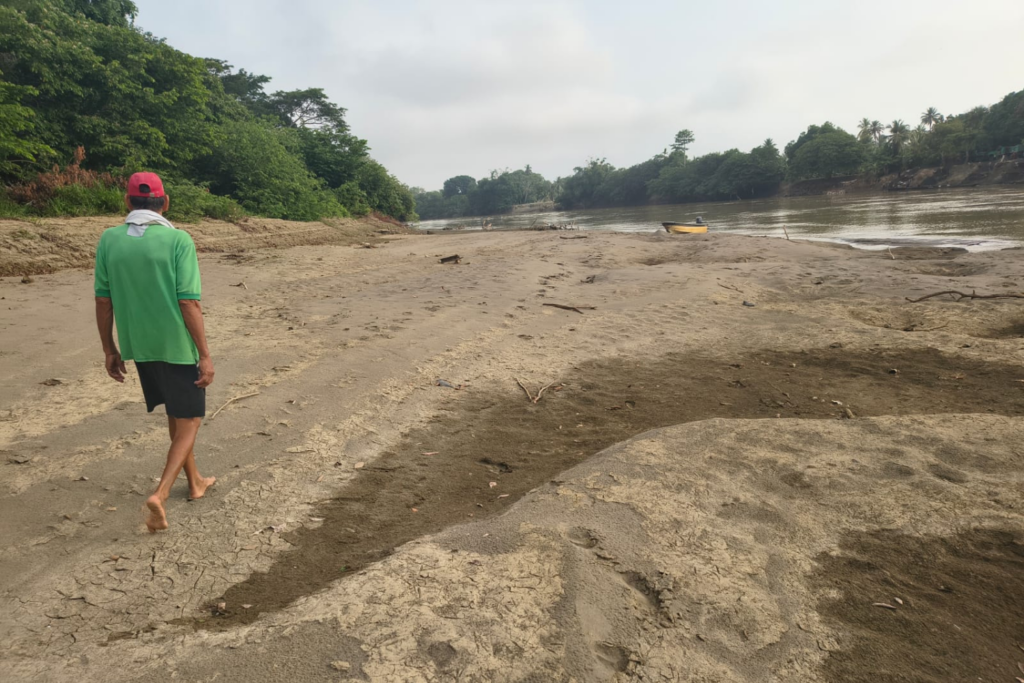
Patrolling the little stretch of beach available for nests. Photos by Juan Negrette
“My main motivation is to prevent the species from disappearing. We know that if the river rises too much and destroys the nests, the hatchlings will not survive. We cannot allow the females’ efforts to be lost to the floodwaters. What drives me is my love for our natural environment and the desire to ensure that these turtles continue to exist in the future,” says Juan.
Once a nest is found, the team carefully collects the eggs, ensuring not to rotate them, and packs them securely for transport to our facility for incubation.
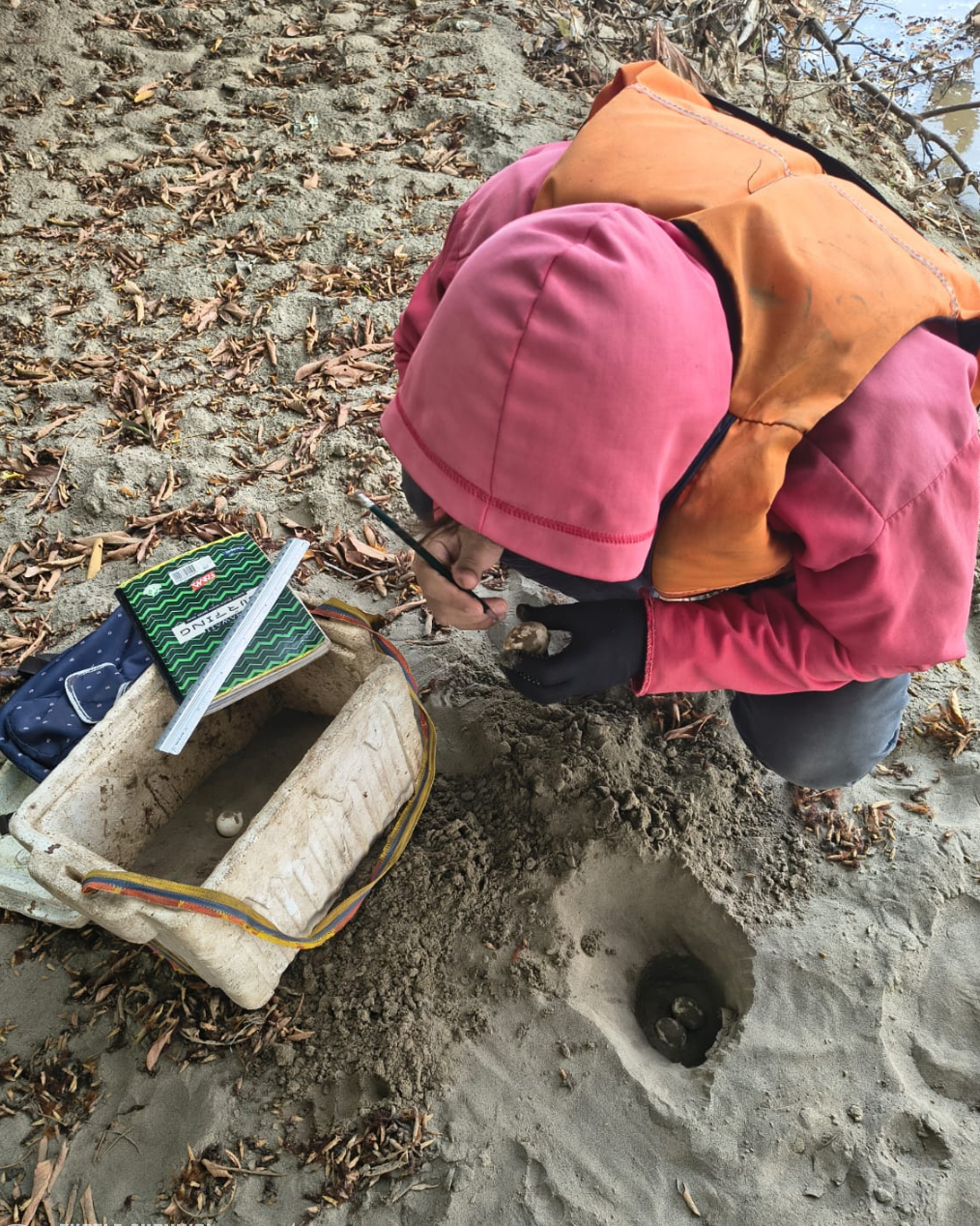
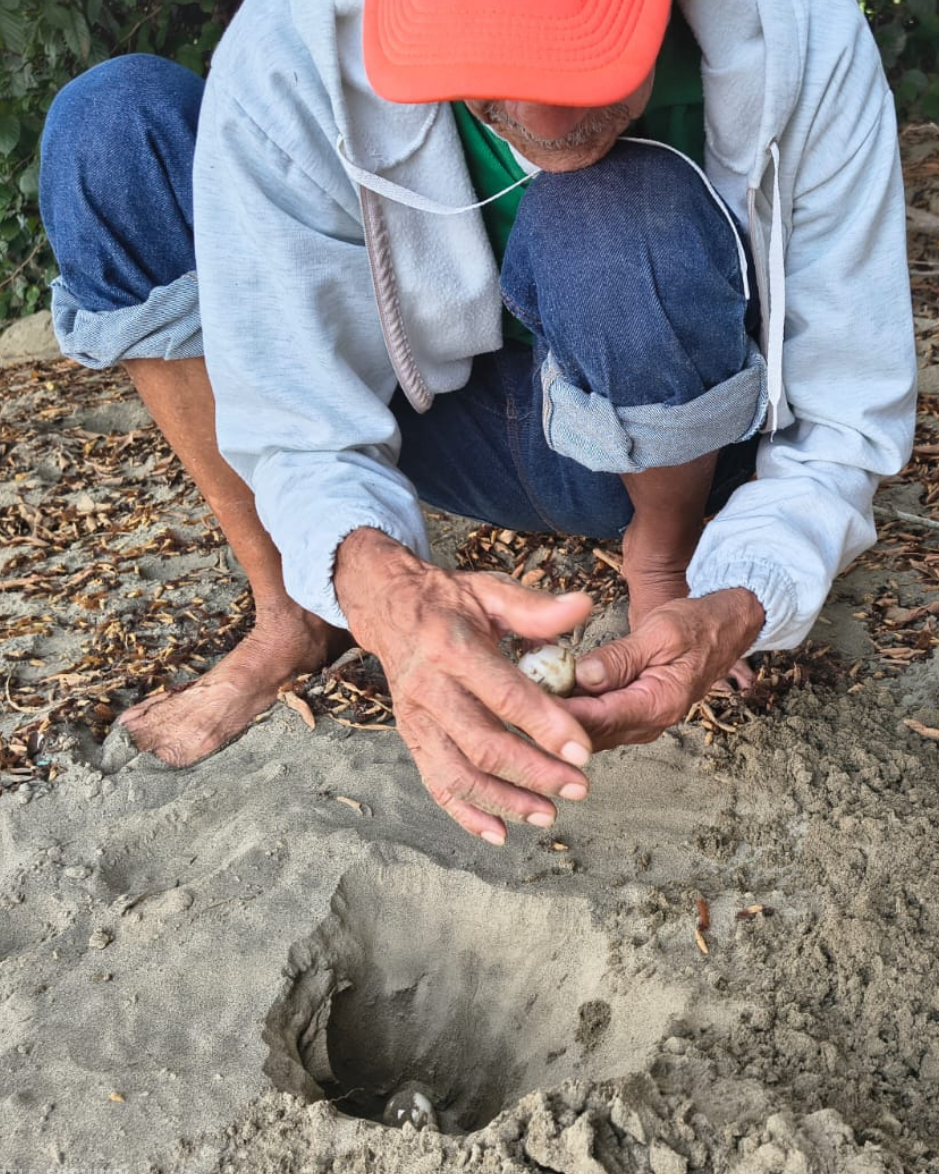
Nest rescue technicians carefully dig up a nest and secure the eggs for transport. Photos by Antonio Ballestas and Juan Negrette
Whereas in a season without adverse events, an average of 140 nests are typically rescued, so far, community members have rescued only five nests, a testament to their dedication and commitment to the Magdalena River Turtle. The eggs rescued from those nests have begun to hatch, highlighting the resilience of the Magdalena River turtle and the communities that protect it.
Juan shares, “It is a symbol of our region and of the Sinú River. It is a turtle species found only here in Colombia, which makes it very special. For us, seeing it swimming is a sign that our ecosystem is still alive. Protecting it means safeguarding the heritage left to us by our ancestors and preserving it for future generations.”
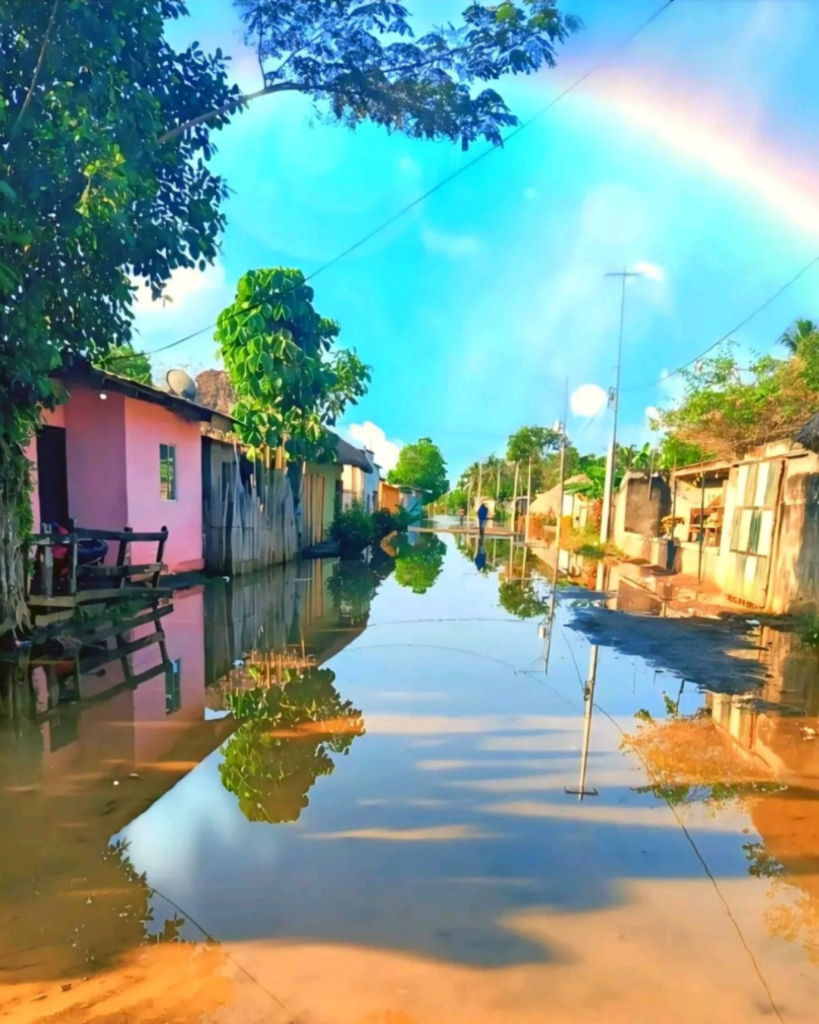
Beauty amidst the flooding in Colombia. Photo by Juan Negrette
Header image: Magdalena River Turtle (Podocnemis lewyana). Photo by Jhonattan Vanegas
–
This conservation work is made possible through our partnership with WCS Colombia and local collaborators. Supporting our mission helps make this work possible. Consider a donation today.