
Mexico has the second-largest diversity of turtles in the world. However, countless species are threatened with extinction or lack the local data needed to protect them before they disappear.
In Chiapas, we work with PhD student Eduardo Reyes Grajales to engage communities in turtle conservation. From working with locals in the field to weigh, measure, and document turtles, to delivering educational materials to children, to interviewing families who have lived in the region for generations to collect valuable traditional ecological knowledge, turtle conservation relies on collaboration with community members of all ages. Eduardo also works with local students looking for experience in the field and eager to support and study turtles in need.
By Eduardo Reyes Grajales
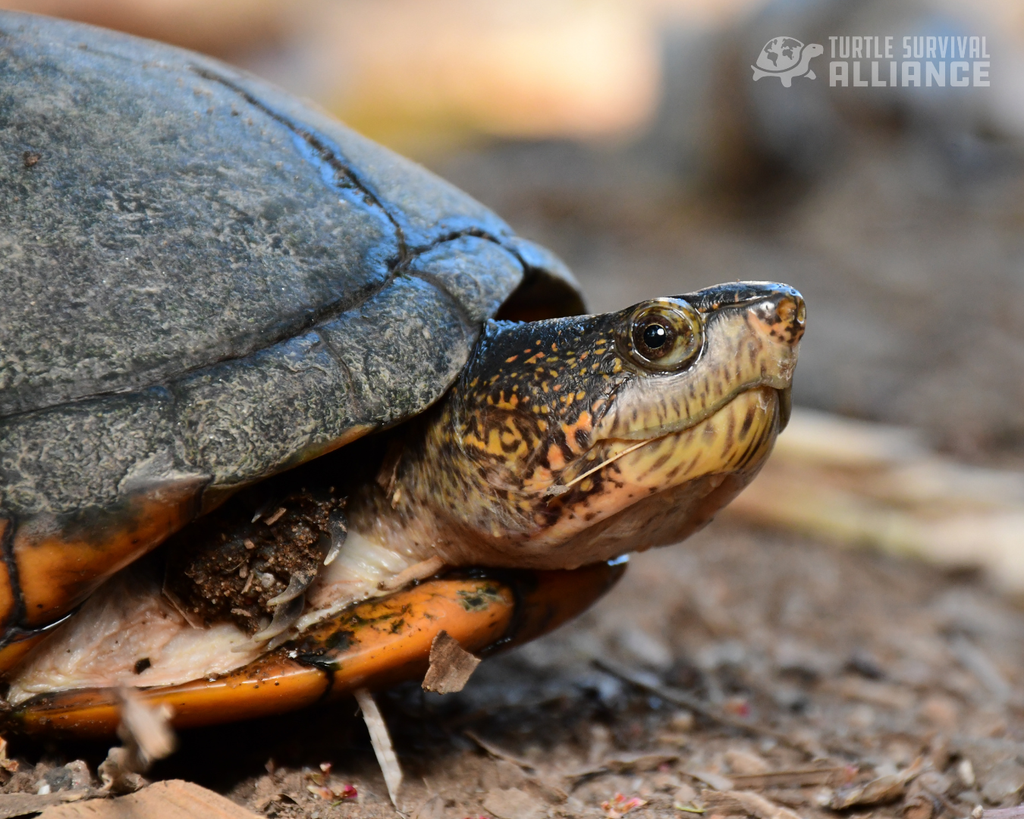
One of the cornerstones of our work to study and conserve freshwater and terrestrial turtles in southeastern Mexico is collaboration with local communities. Through these partnerships, we have been able to study species that have experienced substantial population declines in Mexico, such as the Pacific Coast Giant Musk Turtle (Staurotypus salvinii); elusive, endangered species inhabiting difficult-to-access environments, such as the Central American River Turtle (Dermatemys mawii); and species that remain poorly known to science, such as the Oaxaca Wood Turtle (Rhinoclemmys rubida rubida).
Beyond their value for research and conservation, these partnerships provide meaningful opportunities to learn about the experiences, knowledge, and traditions associated with local wildlife and the environments people share with these species. They also help us better understand the historical and cultural significance turtles hold for different communities. By listening, exchanging knowledge, and working together, we strengthen our efforts in field research, environmental education, and conservation awareness across the diverse landscapes of southeastern Mexico.
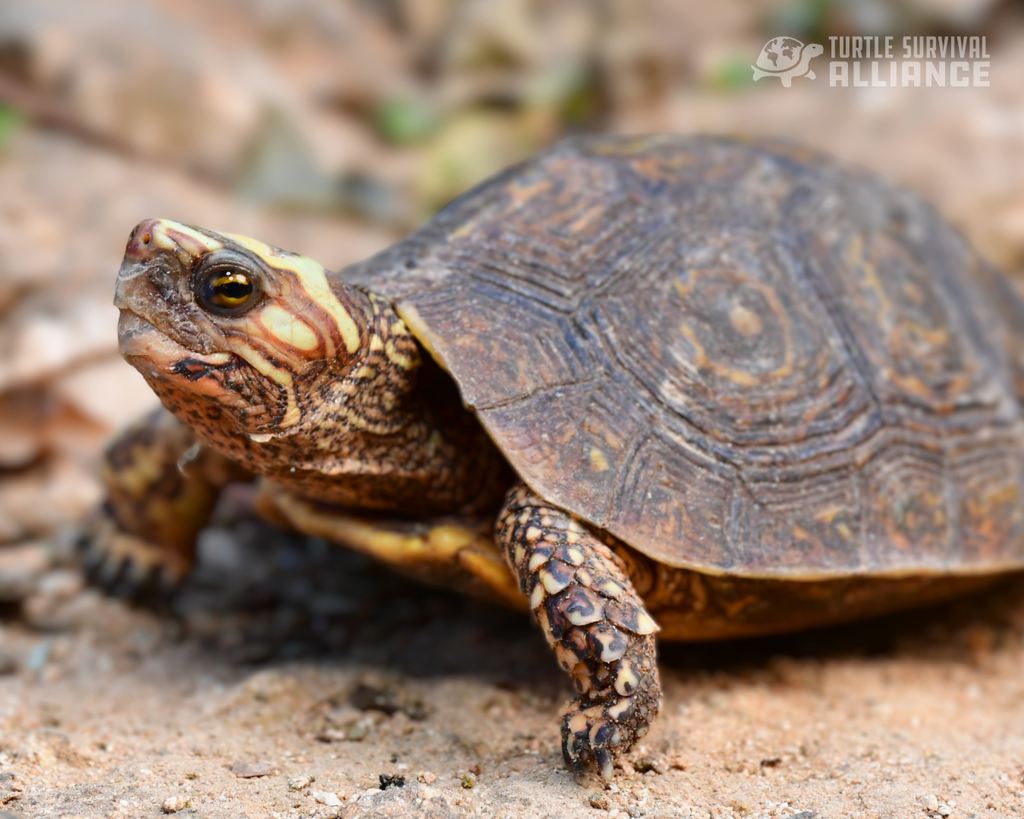
Recently, we embarked on a field expedition to study turtle communities along the Pacific coast of Chiapas, Mexico. In the region’s warm estuarine environments, we encountered three characteristic species: Gray’s Slider (Trachemys grayi grayi; Emydidae), the Pacific Red-cheeked Mud Turtle (Kinosternon mexicanum; Kinosternidae), and the Pacific Coast Giant Musk Turtle (Staurotypus salvinii; Kinosternidae). Our journey also took us into the remarkable Sierra Madre de Chiapas, where we sought to learn more about two fascinating and often elusive species: the Incised Wood Turtle (Rhinoclemmys pulcherrima incisa) and the Oaxaca Wood Turtle (Rhinoclemmys rubida rubida), one of two subspecies of the Mexican Spotted Wood Turtle (Rhinoclemmys rubida). Both belong to the family Geoemydidae.
Part of the expedition included setting camera traps deep within these areas. The purpose of this footage specifically is to monitor the presence of the Mexican Spotted Wood Turtle in potential habitats and to better understand the wildlife communities with which this species shares its environment. The videos captured also provide valuable insights into the diversity and dynamics of wildlife in these areas–from jaguars, to coatis, to armadillos, and more.
These recordings were made possible thanks to the support and knowledge of local communities, who have extensive knowledge of the different areas and habitats used by wildlife throughout the study area.
Another way in which this expedition was especially meaningful was because two enthusiastic students with a growing interest in turtles had the opportunity to join our team. Mónica A. Moreno is a student at The Universidad Juárez del Estado de Durango (UJED), and Valeria Escalera Sánchez is a student at La Facultad de Estudios Superiores Iztacala (FES Iztacala), Universidad Nacional Autónoma de México (UNAM).
Fieldwork presented its share of challenges, but working together allowed us to make the most of the experience. Our efforts yielded valuable information about the ecology and conservation status of these species, while reminding us that every expedition offers lessons that extend well beyond the data we collect.
Throughout the journey, I was impressed by the students’ enthusiasm, initiative, and commitment to the work. In a region where environmental challenges and social realities are closely intertwined, meaningful collaboration with local communities is essential.
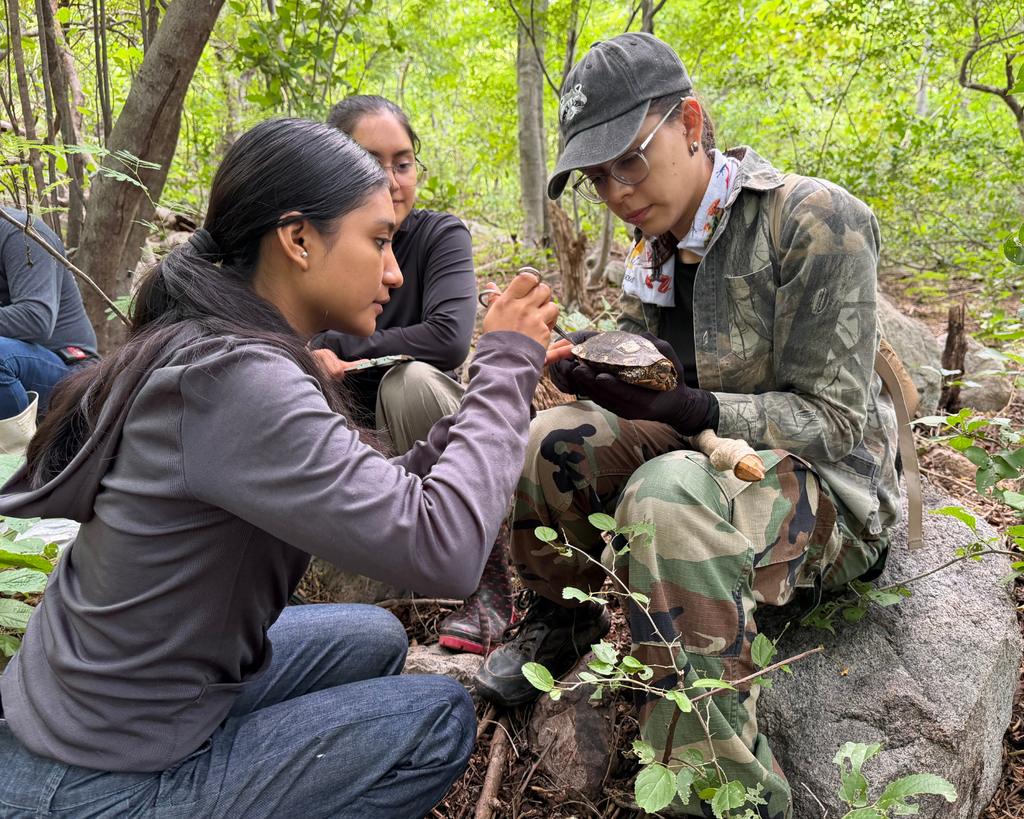
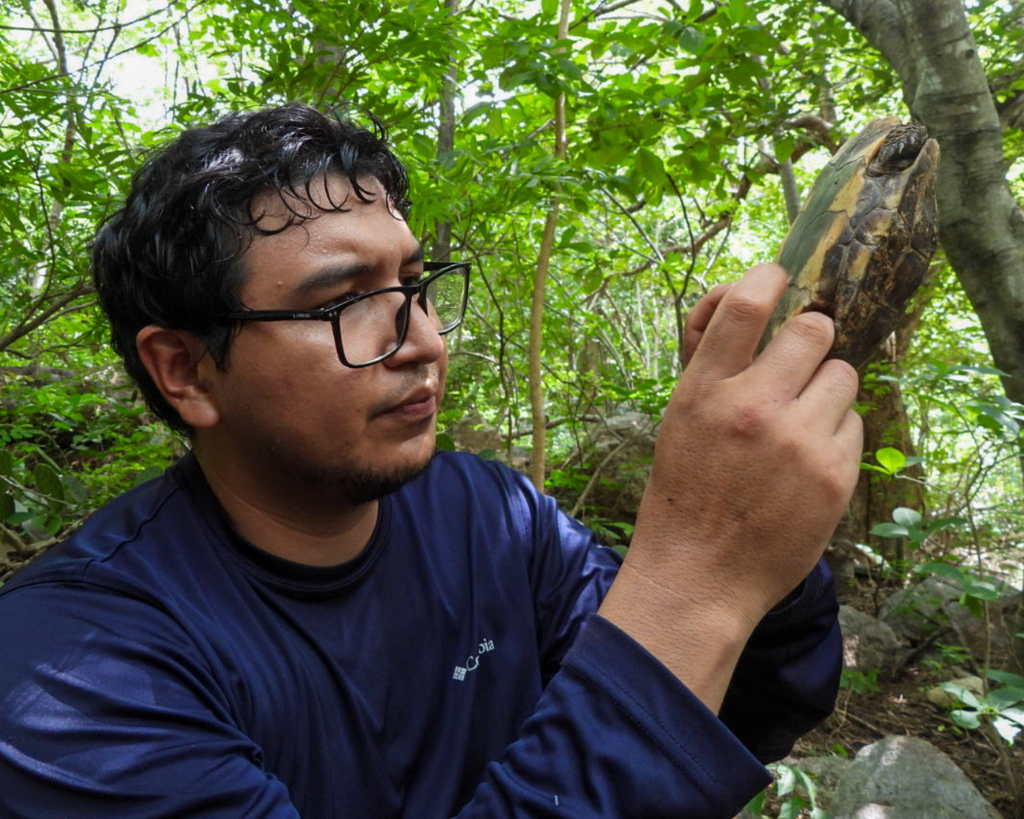
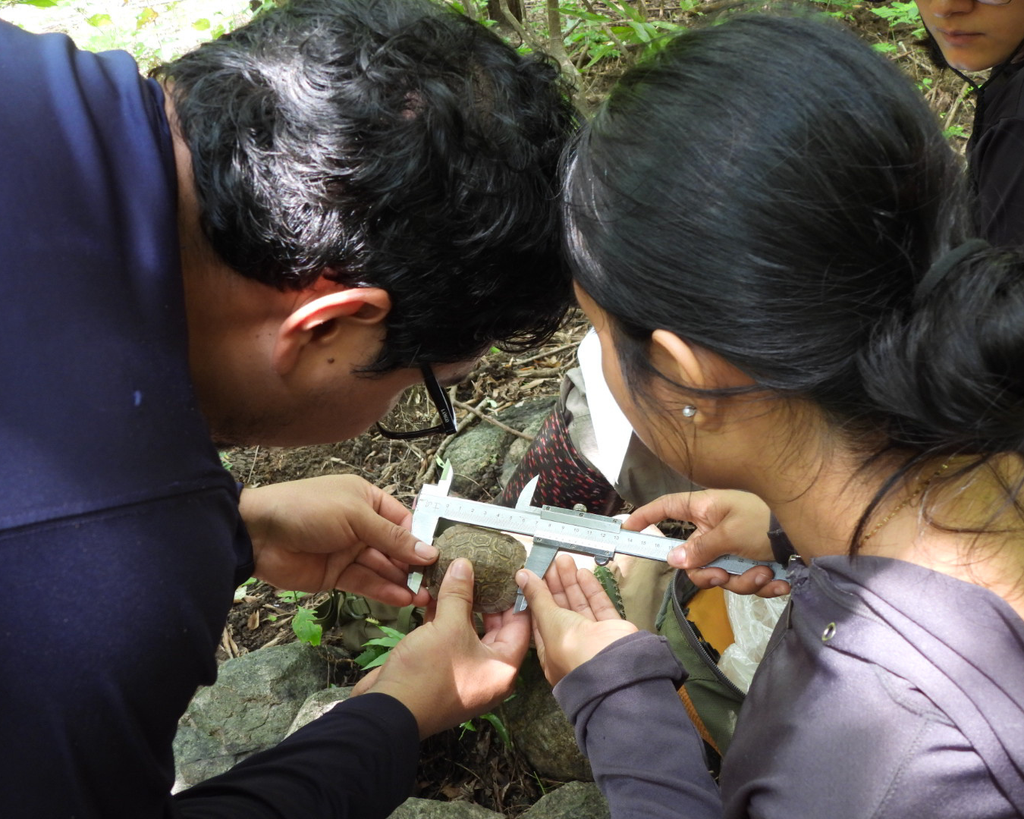
Eduardo Reyes Grajales working in the field alongside the students. Photos by Mónica A. Moreno
Speaking on this, Mónica shared:
“Beyond the technical aspects of fieldwork, spending time with local communities is a truly unique experience. Listening to older community members share stories about their lives, traditional dishes, customs, and ways of life, while watching children carry these traditions forward with curiosity and questions so creative that we sometimes struggle to answer them, reminds us that conservation is also deeply connected to culture.
Local communities are essential partners in the conservation of wildlife. Their knowledge, built and passed down through generations, includes information about species distributions, refuge sites, breeding seasons, responses to rainfall, and even changes in wildlife presence over the years. Such knowledge is rarely documented in books and can be difficult to obtain during brief field visits. By engaging in meaningful conversations with community members, we can complement scientific research with valuable insights that might otherwise remain overlooked.
Watching community members complete data sheets, deploy camera traps, and handle turtles as part of monitoring efforts reinforces my belief that science becomes stronger when it is built together with the people who know these landscapes best.”
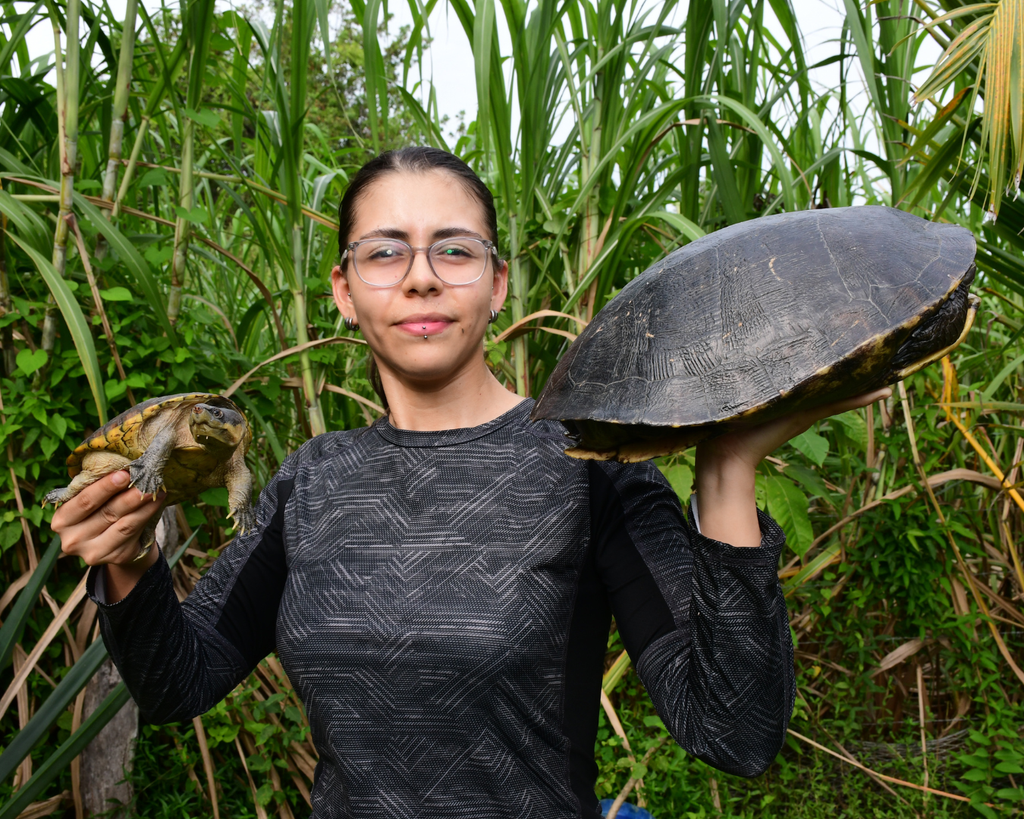
Valeria also discussed her experiences with me:
“I had the opportunity to experience turtle fieldwork firsthand, and it was one of the most exciting experiences of my academic journey. During my undergraduate studies, I conducted research on turtle species from Mexico and Central America. However, to complement my project, I was missing a fundamental piece: studying these species in situ to better understand their ecology and how they might respond to an ever-changing world. This experience helped me realize how essential it is to conduct field surveys in the places where turtles live. Understanding species in their natural environments is critical to studying their ecology and informing conservation efforts. As someone once told me, ‘How can we protect them if we don’t know what is out there or how many there are?’
This journey allowed me to appreciate the essential role local communities play in species conservation. It reinforced my understanding that conservation cannot be built through scientific research alone; it also depends on respectful dialogue, knowledge exchange, and collaboration with the people who live alongside these species every day. One of the most rewarding aspects of the experience was learning sampling techniques directly from community members and listening to the valuable field knowledge shared by our local collaborators. It was inspiring to see an interest and understanding of turtles far beyond the scientific community, particularly when it comes to species that often go unnoticed despite their ecological importance.
This short journey left me with many valuable lessons, but above all, it left me with more questions to explore, more work to do, and an even stronger desire to continue researching and contributing to turtle conservation.”
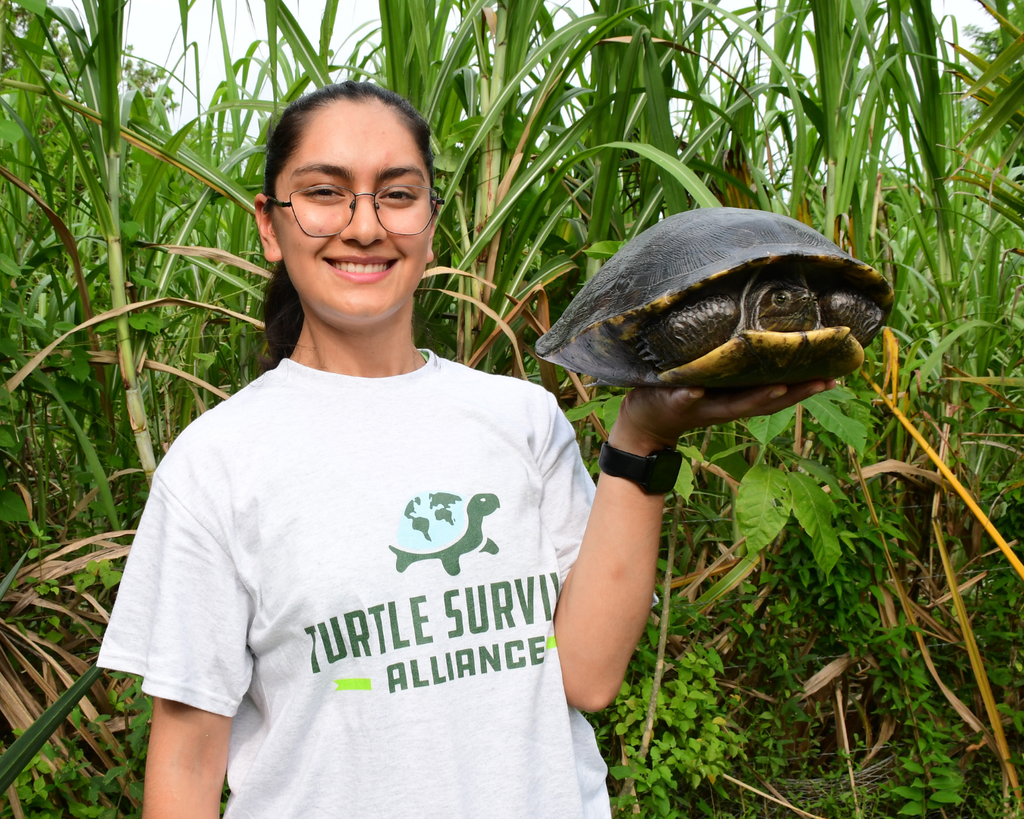
I hope that these lessons will inspire them to continue exploring, asking questions, and building relationships with the communities whose lives are connected to the wildlife we seek to protect. Perhaps, in the future, they will share these same opportunities with others, helping to cultivate a new generation of people committed to turtle conservation.
Ultimately, our work is about more than studying turtles. It is about understanding the connections between wildlife, people, and the places they call home. By approaching conservation with curiosity, respect, collaboration, and a shared passion for science, we can help build a stronger future for turtles and the communities that live alongside them. These are the values that continue to guide our work and that we are proud to share with the Turtle Survival Alliance community.
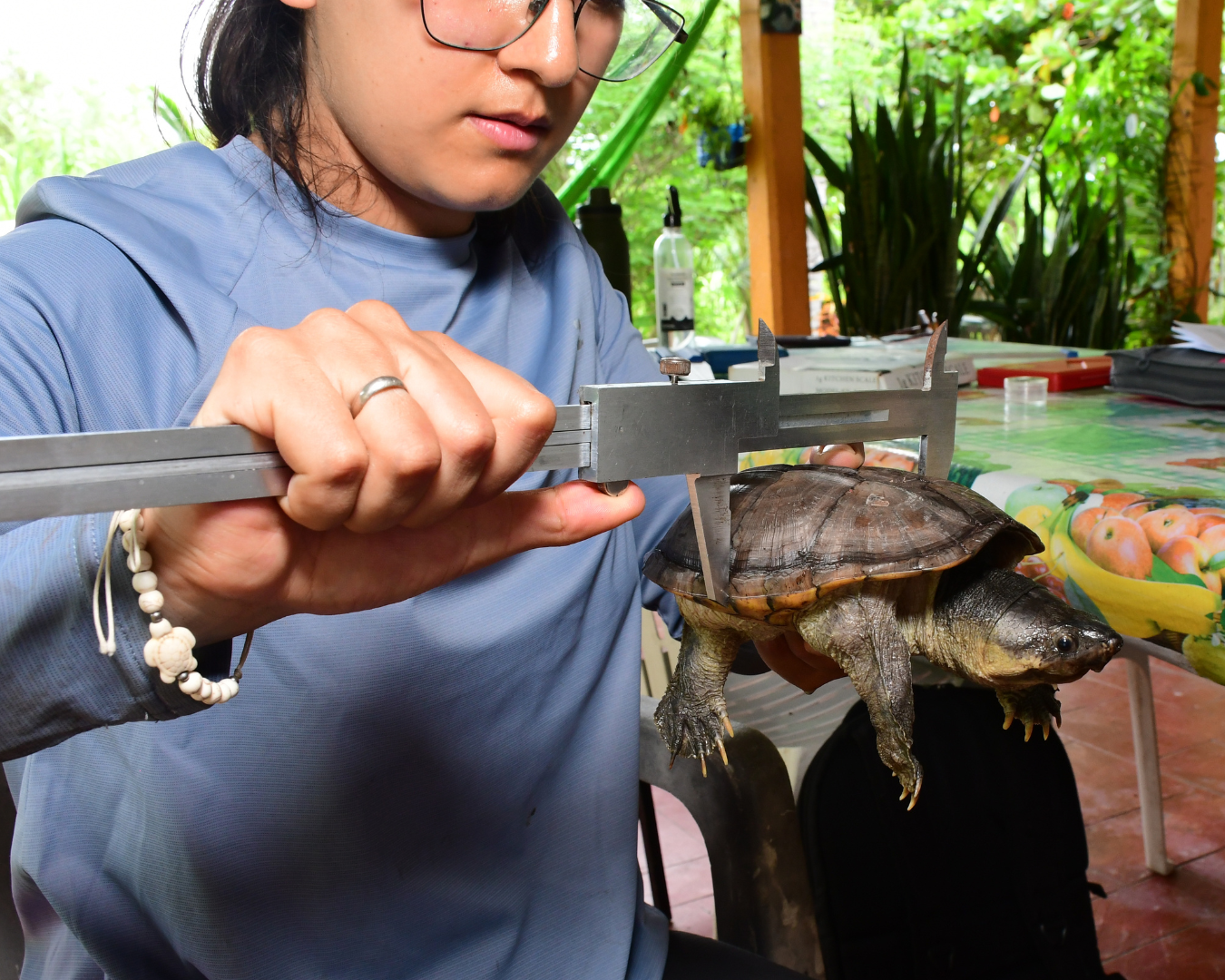
Header image: Valeria Escalera Sánchez measures the carapace of a Pacific Coast Giant Musk Turtle (Staurotypus salvinii). Photo by Eduardo Reyes Grajales
–
Your support can make conservation work and community engagement possible around the world. Make an impact today.