
From the desk of Marc Dupuis-Desormeaux, President & CEO
In May 2025, in response to proposed changes to the Endangered Species Act (ESA), Turtle Survival Alliance submitted a formal letter opposing the rescission of the regulatory definition of “harm.”
A recent ruling has now finalized that change.
As the world’s leading organization dedicated solely to turtle conservation, Turtle Survival Alliance works with partners across more than 30 countries to recover the planet’s most threatened turtles. Our advocacy is grounded in decades of field conservation experience and the science that guides effective species recovery.
Previously, “harm” under the ESA included not only the direct injury or killing of a listed species, but also the destruction or degradation of habitat that disrupts essential behaviors like breeding, feeding, and sheltering. This recognized that protecting habitat is critical to protecting species.
With this new definition in place, habitat modification is no longer clearly considered a form of “harm.” As a result, activities such as land clearing, development, or altering waterways may not trigger the same level of federal protection—even if they ultimately lead to the injury or death of wildlife.

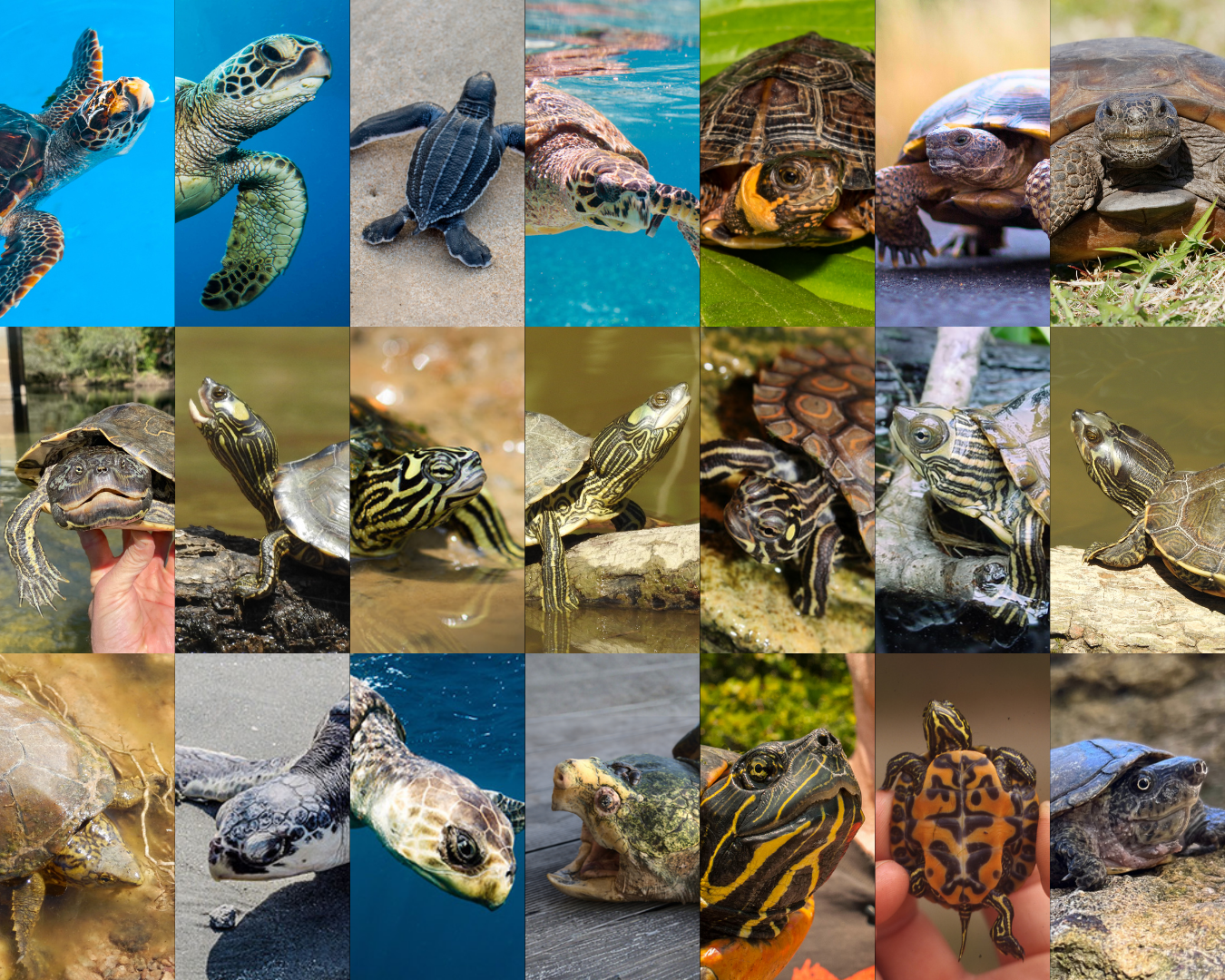
The critically endangered Gopher Tortoise (Gopherus polyphemus), native to the United States, is one of the 21 species that could be affected by this policy change.
In practical terms, this narrows what qualifies as an illegal “take” under the ESA and weakens one of the law’s most important conservation tools.
For turtles, habitat protection is inseparable from species protection. Many species depend on healthy wetlands, rivers, nesting beaches, and surrounding upland habitats throughout their long lives. Even relatively small changes to these environments can reduce nesting success, isolate populations, and accelerate declines that may take decades to reverse.
This change has real implications for all 21 U.S. turtle species protected under the ESA, many of which rely on intact, functioning habitats at every stage of their lives.
At Turtle Survival Alliance, we see firsthand how habitat protection influences conservation success. Decades of field experience have reinforced what science has long shown: protecting habitat is essential to recovering endangered species. That principle continues to guide our work, regardless of changes in policy.
While this regulatory change presents new challenges, it does not change our mission. Because of supporters like you, Turtle Survival Alliance will continue advancing conservation science, protecting critical habitats, and recovering endangered turtle populations around the world.
Thank you for being part of this work.
In conservation,

Marc Dupuis-Desormeaux, Ph.D.
President and CEO
Turtle Survival Alliance
–
Header image: The 21 native U.S. species of turtles and tortoises protected under the Endangered Species Act. From top left to right: Loggerhead Sea Turtle (Caretta caretta), Green Sea Turtle (Chelonia mydas), Leatherback Sea Turtle (Dermochelys coriacea), Hawksbill Sea Turtle (Eretmochelys imbricata), Bog Turtle (Glyptemys muhlenbergii), Mojave Desert Tortoise (Gopherus agassizii), Gopher Tortoise (Gopherus polyphemus), Barbour’s Map Turtle (Graptemys barbouri), Escambia Map Turtle (Graptemys ernsti), Yellow-blotched Map Turtle (Graptemys flavimaculata), Pascagoula Map Turtle (Graptemys gibbonsi), Ringed Map Turtle (Graptemys oculifera), Pearl River Map Turtle (Graptemys pearlensis), Alabama Map Turtle (Graptemys pulchra), Sonoyta Mud Turtle (Kinosternon sonoriense longifemorale), Kemp’s Ridley Sea Turtle (Lepidochelys kempii), Olive Ridley Sea Turtle (Lepidochelys olivacea), Suwannee Alligator Snapping Turtle (Macrochelys suwanniensis), Alabama Red-bellied Turtle (Pseudemys alabamensis), Northern Red-bellied Turtle (Pseudemys rubriventris) (Massachusetts population, formerly P. r. bangsi), Flattened Musk Turtle (Sternotherus depressus).