
For Immediate Release
December 10, 2025
CONTACT: Jordan Gray, Turtle Survival Alliance, (912) 659-0978, jgray@turtlesurvival.org
- Twenty Red-footed Tortoises (Chelonoidis carbonarius), a species listed as Endangered (in press) on the IUCN Red List, were reintroduced into La Carranchina Nature Reserve in Sucre, Colombia.
- The initiative, led by the regional environmental authority CORPOMOJANA with support from Wildlife Conservation Society Colombia and Turtle Survival Alliance, represents the first scientifically formulated rewilding of the species in Colombia.
- The project follows protocols outlined in the Post-confiscation Management, Rehabilitation, and Release Protocol for Freshwater Turtles, currently being developed with Colombia’s Ministry of Environment and Sustainable Development and regional authorities.
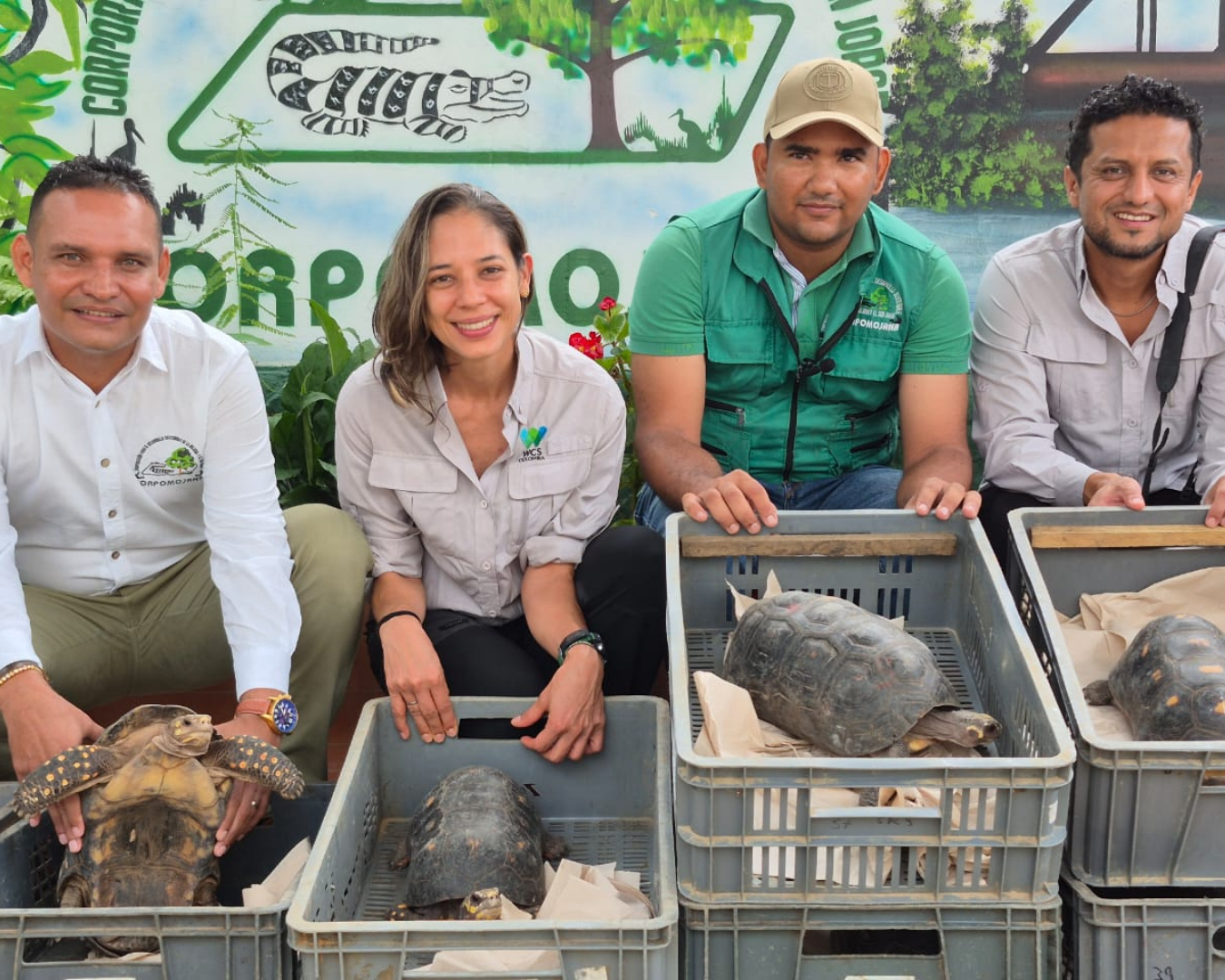
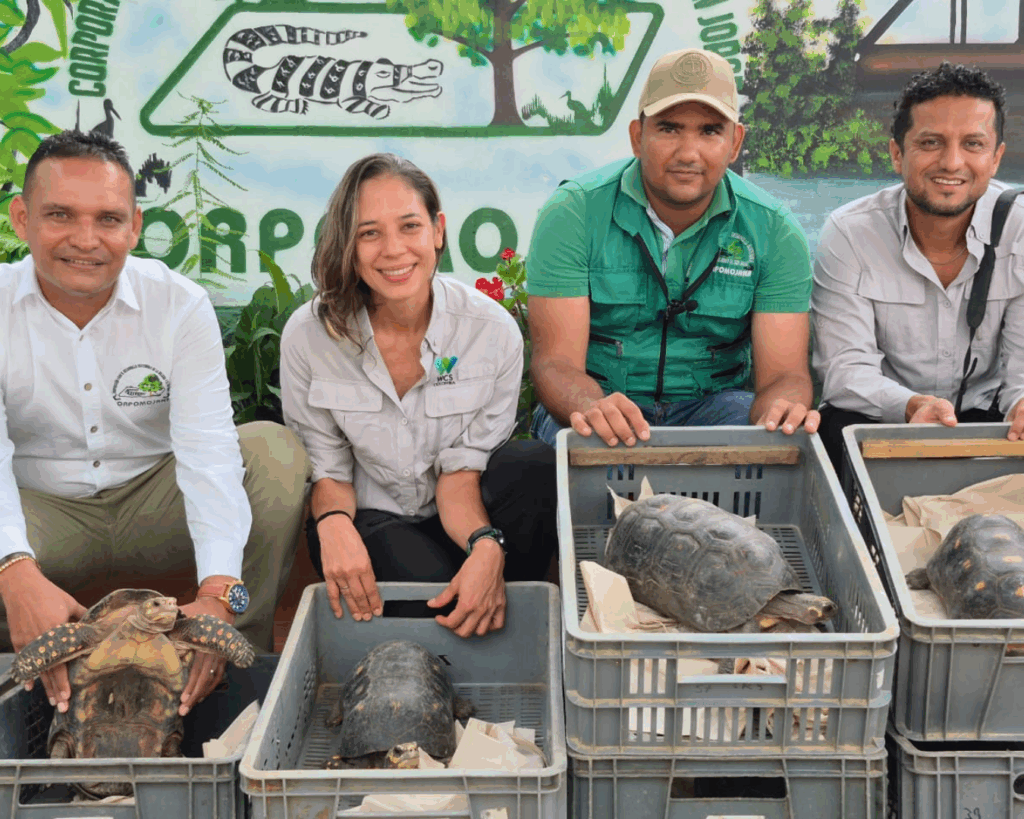
North Charleston, South Carolina, United States of America – Turtle Survival Alliance (TSA) today announced the reintroduction of twenty Red-footed Tortoises (Chelonoidis carbonarius) into La Carranchina Nature Reserve (LCNR) in Sucre, Colombia. This milestone effort, led by Corporación para el Desarrollo Sostenible de La Mojana y el San Jorge (CORPOMOJANA) and supported by Wildlife Conservation Society (WCS) Colombia and TSA, marks the first scientifically guided rewilding of the species in the country.
Andrew Walde, Senior Director of Conservation and Science for TSA, said: “Red-footed Tortoises were once common across northern Colombia, but habitat destruction and overcollection have caused local populations to dramatically decline. This reintroduction demonstrates how targeted, science-based collaboration can give a species a second chance. From careful health and genetic assessments to ongoing monitoring and habitat management, we can help return a species to its native landscape and chart a path toward recovery.”
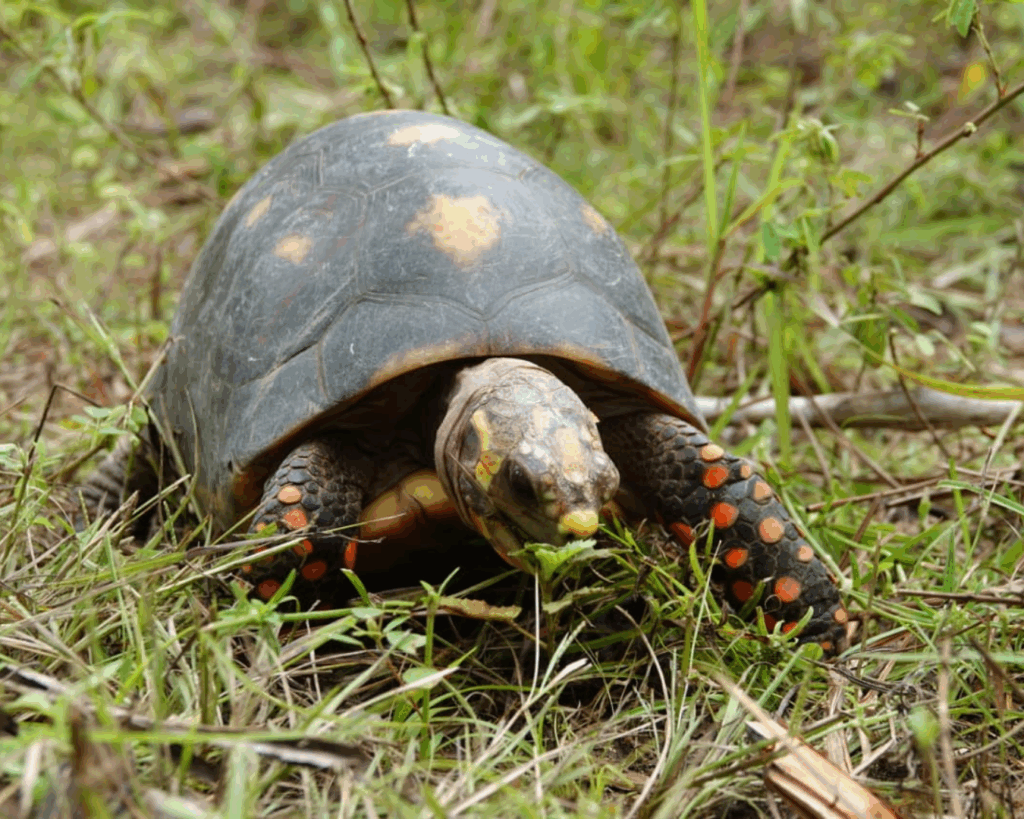
The Red-footed Tortoise is listed as Endangered (in press) by the International Union for Conservation of Nature (IUCN), and its international trade is regulated under Appendix II of CITES. While the species’ range extends from Panama in Central America eastward to the Atlantic coast of Brazil and south to northern Argentina, populations have declined due to habitat destruction and fragmentation, overcollection for food and the pet trade, and subsistence hunting. Red-footed Tortoises forage on a wide array of plant matter, particularly fruits, which helps disperse seeds and maintain ecological processes in forests and transitional habitats between forest and savanna. In Colombia, the species is considered to comprise two distinct genetic lineages, which should be treated as separate management units for conservation purposes.
“Rewilding Red-footed Tortoises provides a unique opportunity to recover the species and its role in maintaining healthy forest-savanna ecosystems in northern Colombia,” said Germán Forero-Medina, Science and Conservation Director of WCS Colombia.
Marjorie Pinzón Arias, Lead Turtle Researcher at WCS Colombia, added: “This initiative is not only about returning Red-footed Tortoises to the wild, but also about strengthening coordinated efforts for wildlife management in the region.”
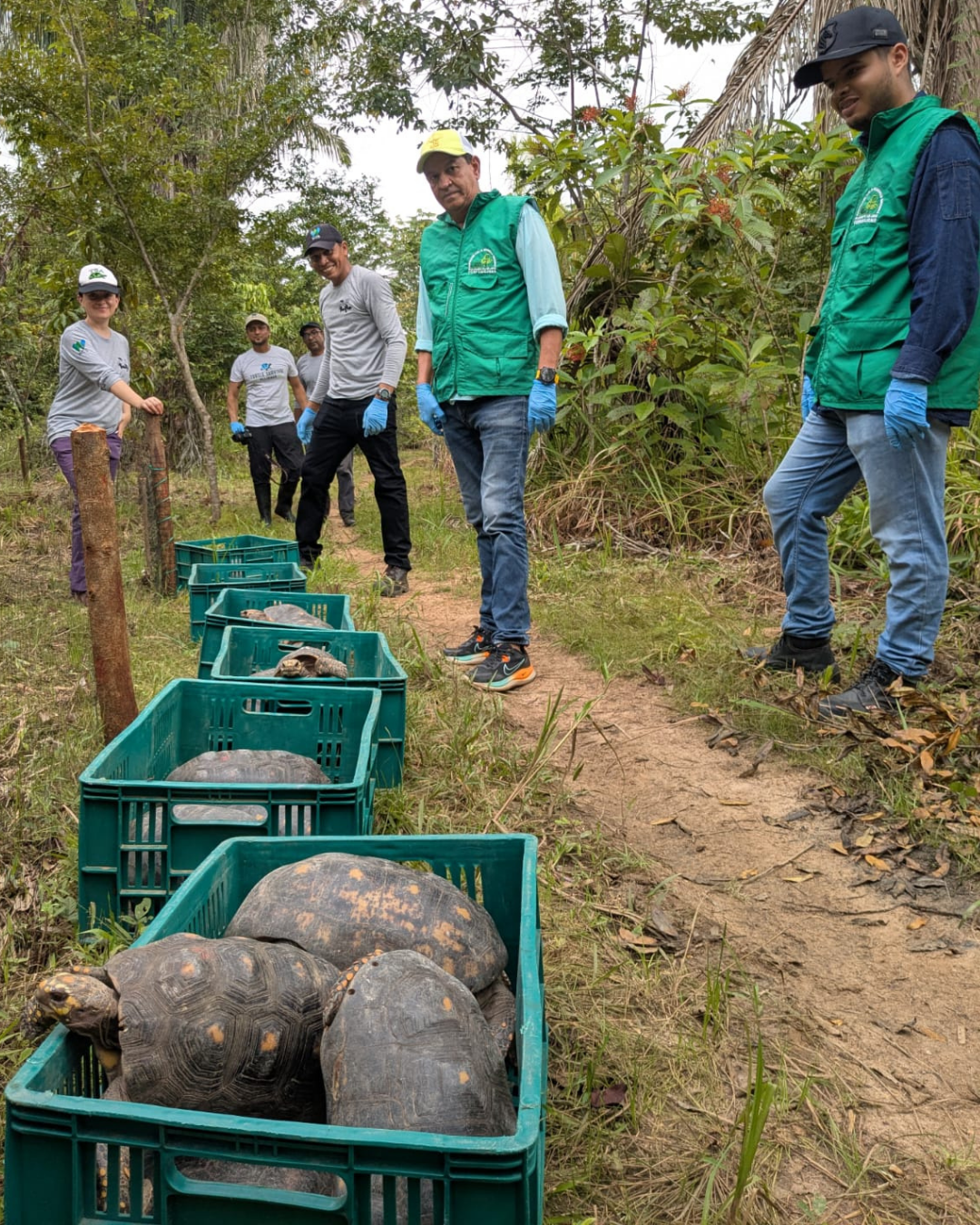
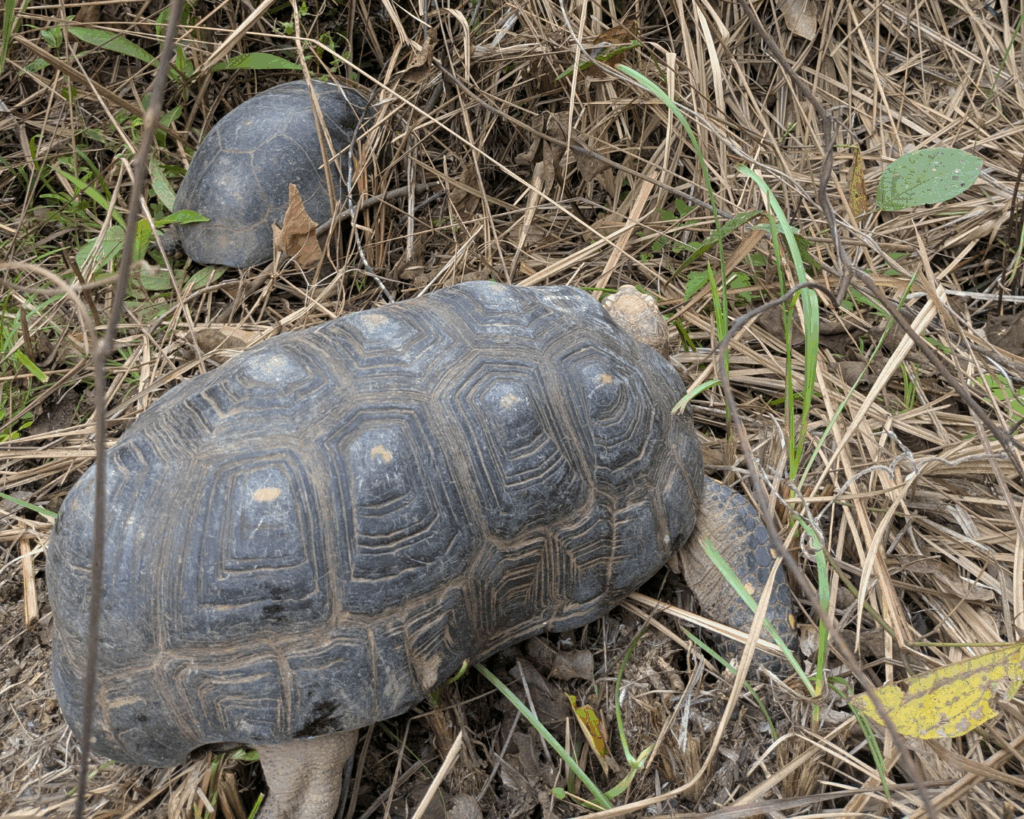
The tortoises were released into a 0.1 hectare (~1/4 acre) soft-release pens encompassing forest, savanna, and wetland habitats, allowing them to gradually adapt to their new environment while helping to instill site fidelity. Each animal was carefully assessed for health, genetics, and behavior prior to release, following best practices for rewilding.
CORPOMOJANA, the regional environmental authority for seven municipalities in southern Sucre, played a key role in facilitating the project, demonstrating the importance of coordinated conservation strategies with government partners.
La Carranchina Natural Reserve itself has been a major focus of restoration and conservation efforts. In 2019, TSA, Rainforest Trust (RFT), and WCS acquired a 120-hectare (~297-acre) parcel in San Benito Abad, Sucre, for the creation of the reserve. Since 2020, intensive restoration has targeted upland and riparian vegetation, rehabilitated existing wetlands, and created new wetlands to return the reserve to its natural state. In 2024, WCS acquired an additional 100 hectares (~247 acres), nearly doubling the reserve’s size. That same year, the Reserve was designated a Key Biodiversity Area (KBA), thanks to collaboration among WCS, TSA, RFT, the Alexander von Humboldt Biological Resources Research Institute, and guidance from the KBA Regional Focal Point for Latin America.
This rewilding initiative exemplifies how careful planning, science-based guidance, and collaboration between NGOs and local authorities can restore species and ecological functions to degraded habitats. TSA continues to support monitoring, health assessments, and long-term management to ensure the success of the reintroduced population.
All photos courtesy of WCS Colombia
###
About Turtle Survival Alliance
Formed in 2001 and gaining nonprofit status in 2004, Turtle Survival Alliance is a global conservation organization with a mission to protect and restore wild populations of tortoises and freshwater turtles through science-based conservation, global leadership, and local stewardship. Our science-based initiatives are directed by local leaders, inspiring sustainable, community-based stewardship to prevent extinctions. Where populations cannot yet thrive in the wild, our conservation breeding programs preserve opportunities for their future survival. Turtle Survival Alliance operates or supports projects in 30 countries around the world, protecting critical habitats and providing on-the-ground resources to safeguard the most imperiled turtle and tortoise species. Through these efforts, we make a positive impact on well over 100 species of turtles and tortoises. For more information, visit us on our website and join the conversation and learning experience on Facebook, Instagram, YouTube, and LinkedIn.