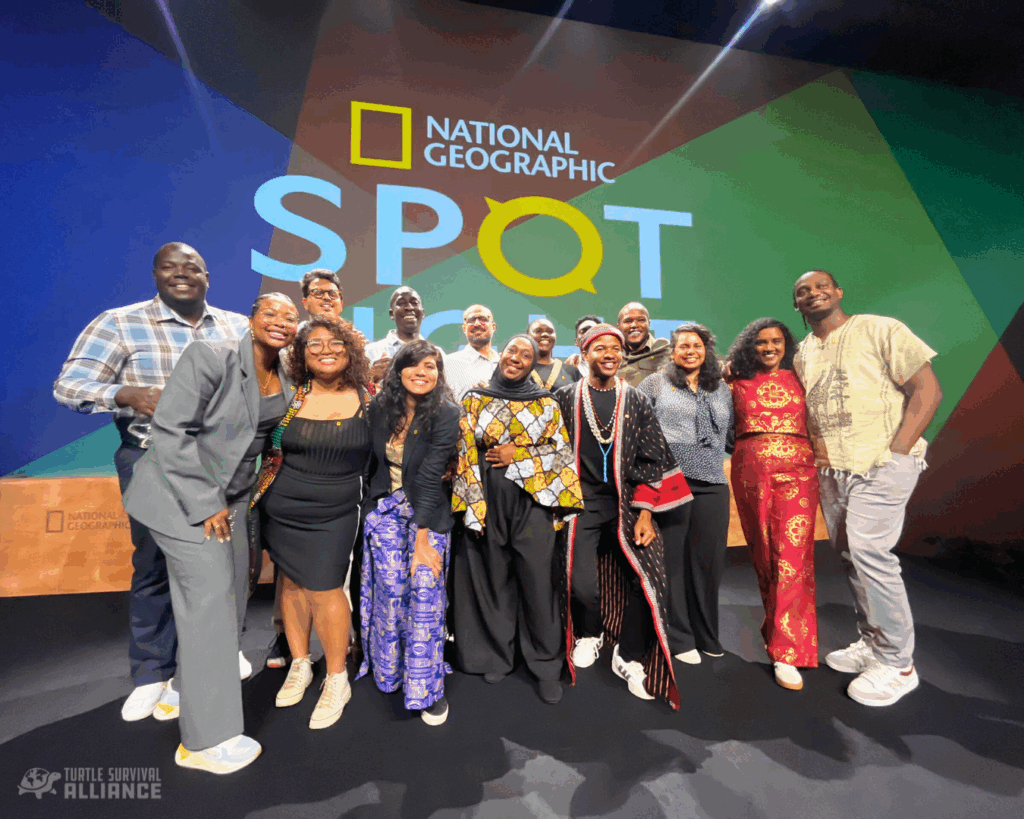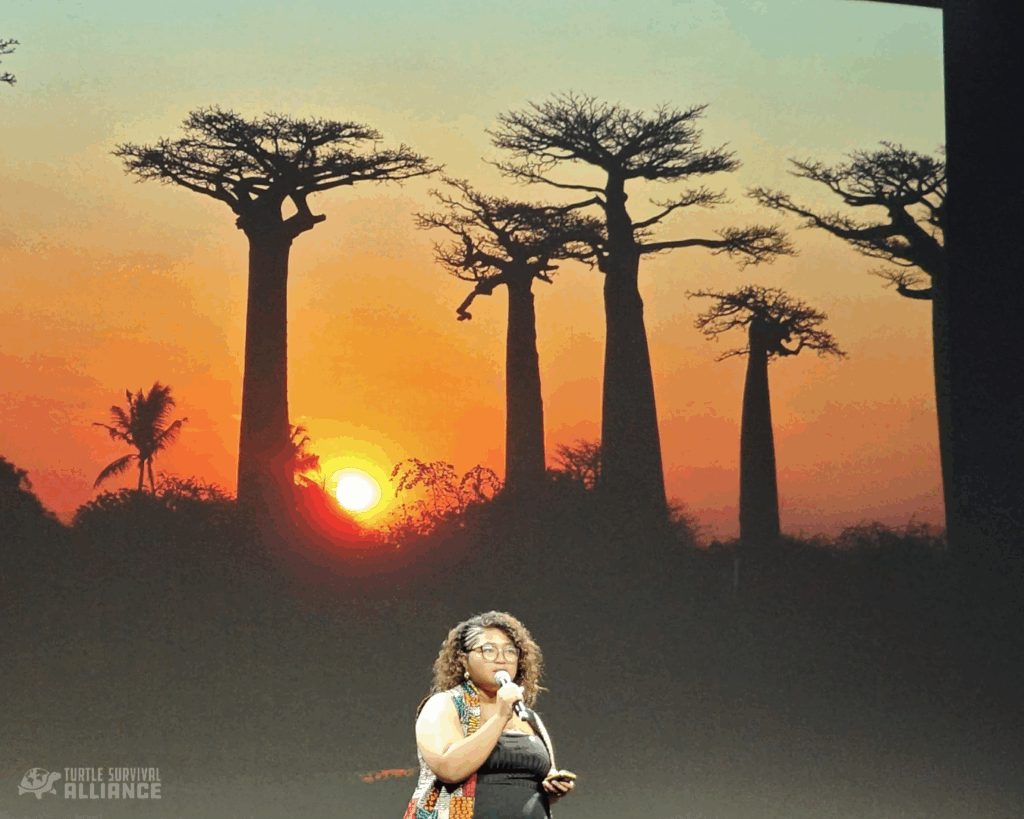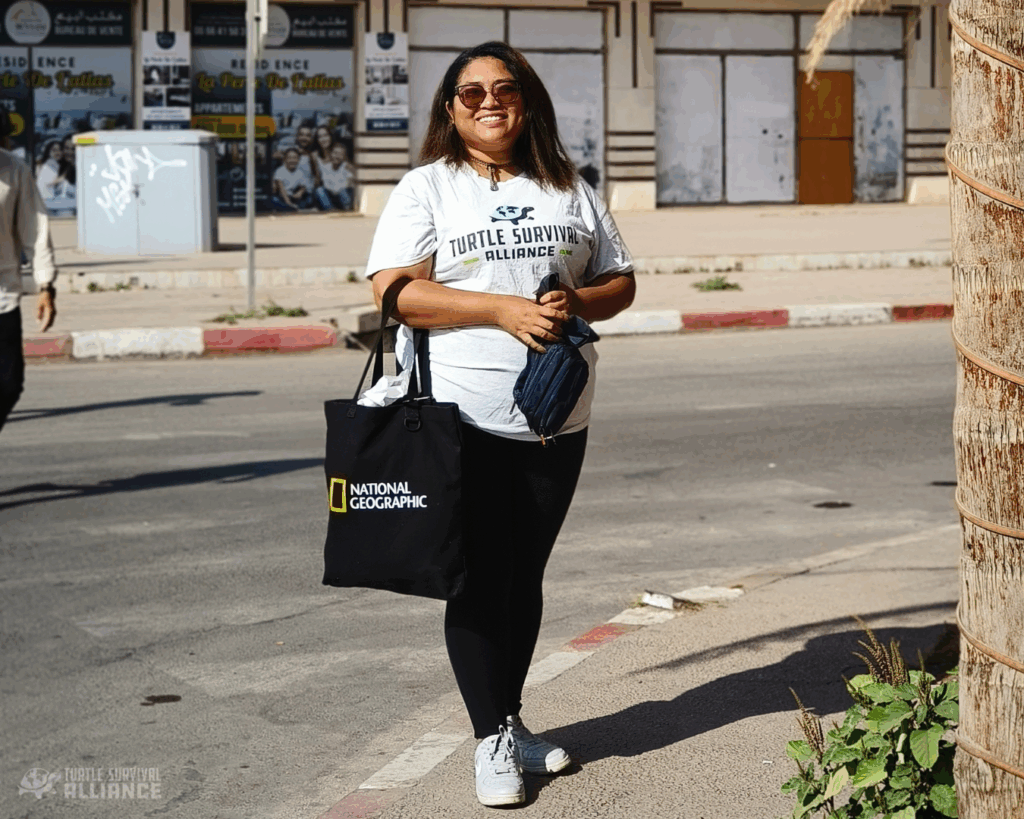
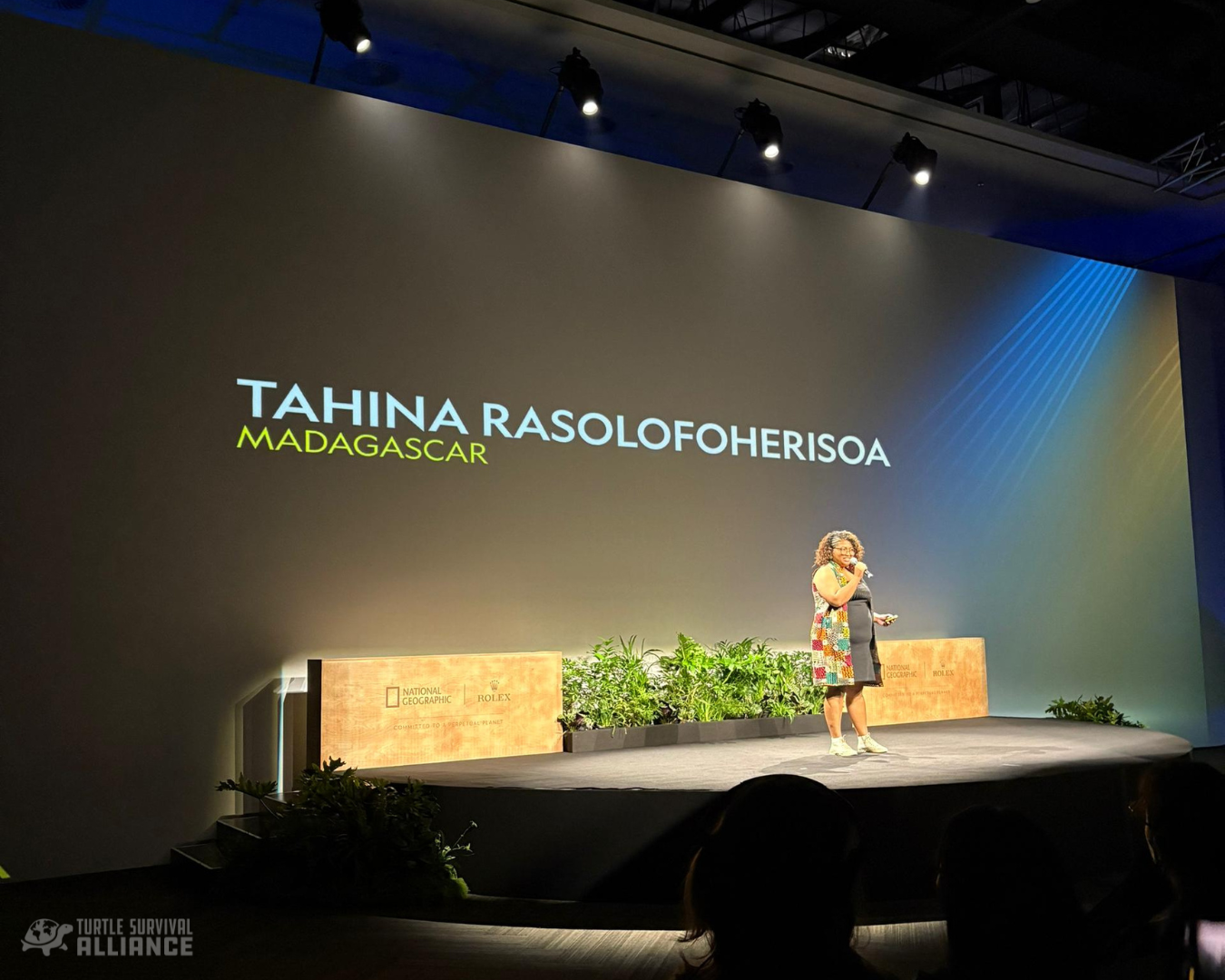
Tahina Rasolofoherisoa, Project Manager for TSA Madagascar, is the recipient of a National Geographic Society (NGS) grant for her work with communities in Itampolo, Madagascar, and became an Explorer. Earlier this year, she traveled to Washington, D.C. for the Explorer’s Festival to connect with fellow global awardees. In October, she travelled to Morocco to realize the first part of the project. One week later, she was one of 15 Explorers from African countries invited to the Spotlight Event to present her project during the International Explorer Festival in Johannesburg. The project, “See, learn and share: Empowering communities for sustainable management and valorization of Opuntia through education”, focuses on supporting the community of Itampolo, now represented by the TSARAJORO cooperative members, to better manage and utilize Opuntia species, a plant that is both valuable and invasive. The approach follows the principle of seeing, learning, and sharing: learning from those who have already turned this environmental challenge into an opportunity, and bringing that knowledge home to inspire change.
The project team is composed of the project ambassador–a local guide from Itampolo, an agronomist, a photographer, and Tahina, the project leader. NGS sent the team from Antananarivo to Morocco for this learning exchange to observe how local cooperatives, supported by the Global Diversity Foundation (GDF), have successfully developed sustainable ways to process and market Opuntia.
Upon returning to Madagascar, the next step will be to adapt these techniques to local conditions and organize training sessions for 150 young farmers from the TSARAJORO cooperative across five villages in Itampolo. The goal is to teach them how to transform Opuntia into marketable products using locally available resources, prevent its uncontrolled spread, and integrate conservation with income generation.
Ultimately, See, Learn and Share aims to show how education, international collaborations, and local leadership can turn environmental challenges into sustainable opportunities for the future.