
By Jordan Gray, External Relations Manager
“When was the last time you made a conscious decision to donate to a conservation organization?”
This is a question we often ask when members of the public inquire about the importance of zoos and aquariums. The answers typically range from “I can’t remember” to “I haven’t.” However, when you follow up with, “When was the last time you went to a zoo or aquarium?”, the responses tend to differ: “I went with my family last month” or “I take my children several times a year.” If those answers sound familiar, then you may be supporting conservation more than you realize, even if only indirectly. Those visits generate critical funding that supports field conservation, animal care, and long-term species survival efforts, including global turtle conservation programs working to prevent extinction and restore wild populations.
Association of Zoos and Aquariums (AZA)- and Zoological Association of America (ZAA)-accredited zoos and aquariums welcome hundreds of millions of visitors each year, making them among the world’s most influential drivers of public support and investment in wildlife conservation.
All facilities accredited by the AZA are required to support conservation in some form, whether through funding, research, breeding programs, or other activities. The same is true for facilities accredited by the European Association of Zoos and Aquaria (EAZA) and the Zoo and Aquarium Association Australasia (ZAA), for example. Many members of the World Association of Zoos and Aquariums (WAZA), which sets global guidance and standards, are also required to demonstrate conservation commitment through their regional accreditation systems. Complementing these accreditation frameworks, the Zoological Association of America (ZAA) advances conservation through its Conservation Initiatives Grants and Global Conservation Fund. When you look across accreditation standards globally, a clear picture emerges: accredited institutions are expected to meet defined benchmarks for conservation support.
There are more than 1,000 accredited or professionally recognized zoos and aquariums worldwide, collectively directing millions of dollars toward conservation.
For Turtle Survival Alliance and our partner projects, this support is a critical component of our funding and logistical framework for achieving conservation success worldwide. At present, more than 100 zoos and aquariums provide financial or in-kind support to the Turtle Survival Alliance. Since our founding in 2001, they have been in lockstep with our mission and integral to our success. In total, more than 220 institutions have helped make this work possible.
These institutions contribute in a variety of ways: through direct financial support, grant programs, and initiatives such as Quarters for Conservation. Others provide veterinarians, support staff, and supplies to assist with confiscation and repatriation efforts. Some take in confiscated turtles directly through AZA Saving Animals From Extinction (SAFE) programs, while others establish assurance colonies of endangered and critically endangered species bred at our Turtle Survival Center in South Carolina, USA.
In addition, American Association of Zoo Keepers (AAZK) Chapters play an important supporting role by mobilizing additional fundraising and outreach that strengthens conservation action across zoos and aquariums.
The ways in which zoos and aquariums support our efforts are numerous, and their collective impact is profound.
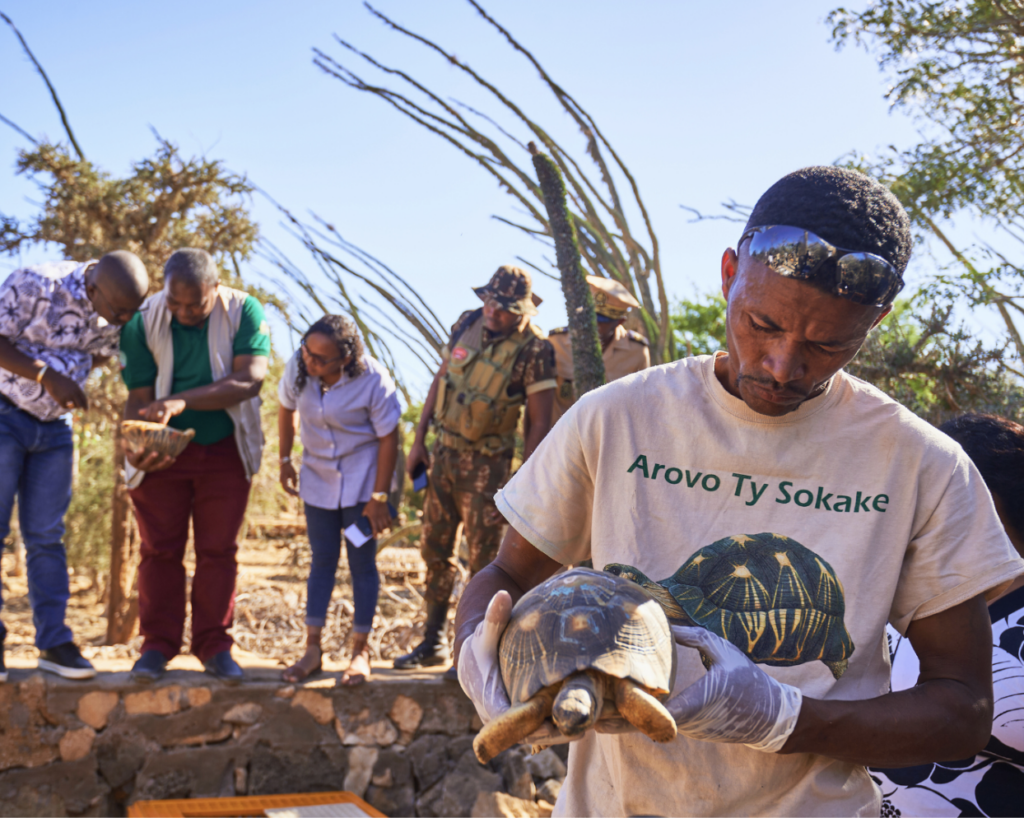
This global support was perhaps most evident in 2018, when more than 17,000 Radiated Tortoises (Astrochelys radiata) were rescued across two major seizures in Madagascar. In response, over 110 institutions from around the world, including 75 zoos, aquariums, and AAZK chapters, mobilized to support the Turtle Survival Alliance-led effort, with seven teams deployed over twelve weeks, including veterinarians, veterinary technicians, animal care professionals, and construction and facilities staff. Many of those same partners continue to support the program today. Last year, the first group of tortoises from those confiscations was successfully returned to the wild, an important milestone made possible by that collective effort. Out of this coordinated response has grown a global network capable of acting swiftly if a similar crisis were to occur again.
While the contributions of all the zoos, aquariums, and AAZK chapters that support Turtle Survival Alliance are meaningful, some stand out for their deeper commitment to our mission. We regard these institutions as partners. A full list is provided below. Of these, seventeen have contributed $20,000 or more over the past three years.
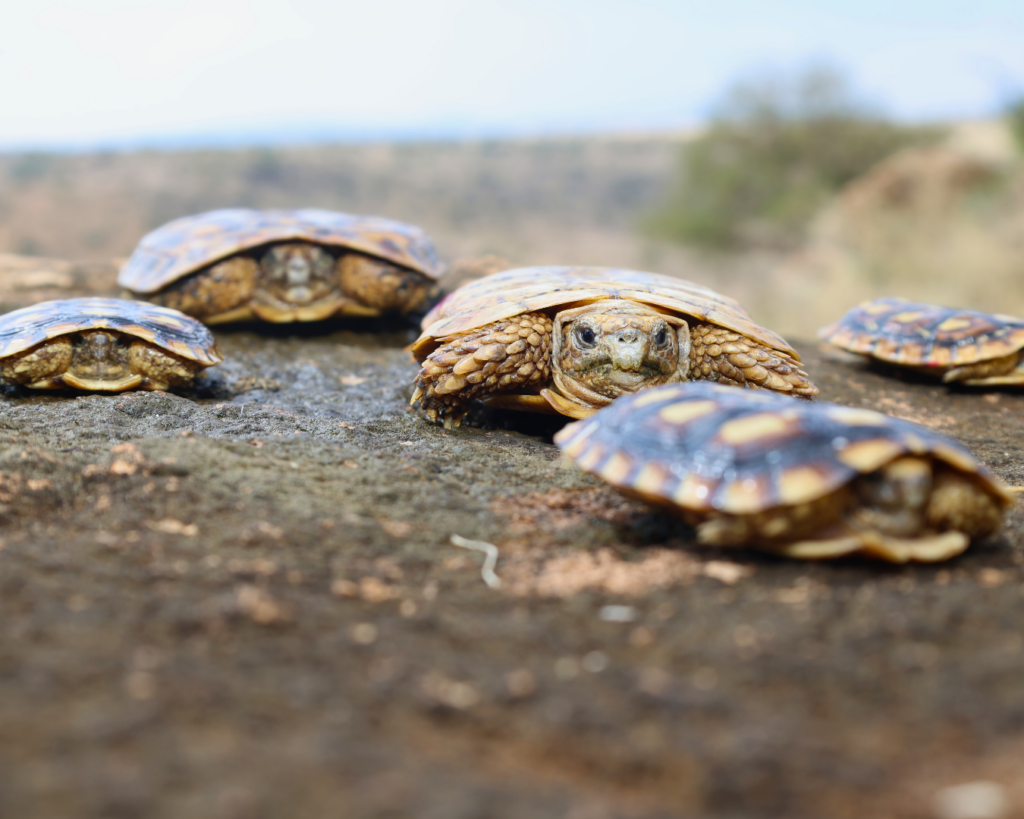
Support from the Columbus Zoo and Aquarium, for example, is helping advance alternative livelihood programs in Madagascar that directly support the local communities we work with in landscapes shared with critically endangered Radiated Tortoises. The Cheyenne Mountain Zoo plays a key role in advancing conservation efforts for Pancake Tortoises (Malacochersus tornieri) in Kenya by supporting field research, community engagement, and our national strategic plan for the species. Meanwhile, the Detroit Zoo has been instrumental in supporting emergency response efforts, enabling us to deploy help quickly during confiscations and other crises. Together, these examples illustrate how accredited zoos and aquariums are not just supporting conservation in principle, but actively driving meaningful, on-the-ground impact for both species and the people working to protect them.
Conservation is often thought of as something happening far away in forests, rivers, and field stations, but in reality it is also happening in accredited zoos and aquariums and through the millions of everyday decisions made by visitors who may not even realize the role they are playing. While zoos and aquariums are sometimes viewed only through the lens of public recreation, that experience is meaningful and important, and it is only one part of a much larger conservation system operating behind the scenes.
With habitat destruction, illegal trade, and climate pressures increasing, this network of support is more important than ever.
Every visit, membership, and contribution helps sustain that chain of impact.
Conservation is not a distant act. It is a shared system of participation, and for Turtle Survival Alliance, that system is what allows us to keep nearly a third of the world’s turtle and tortoise species moving away from extinction and toward recovery.
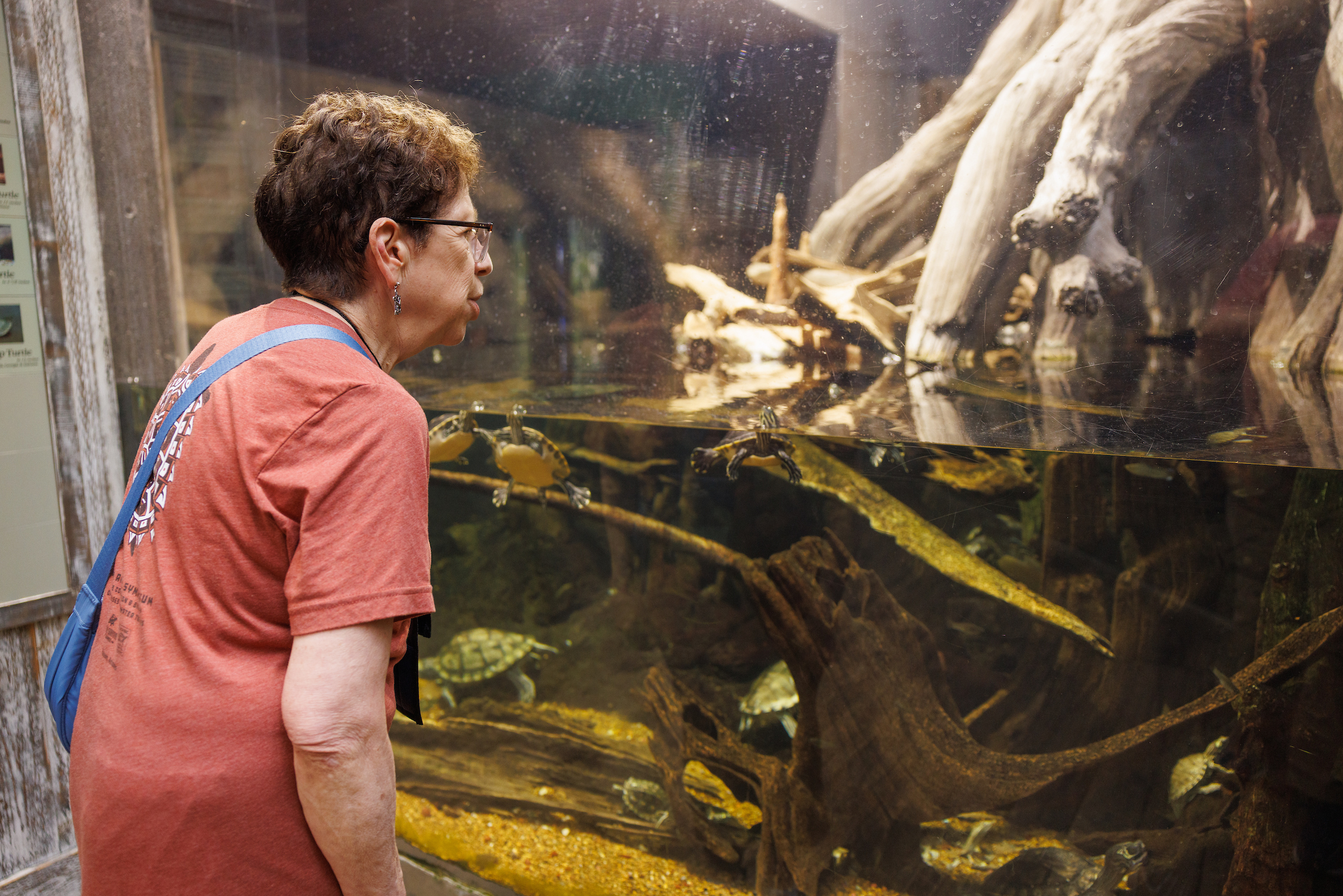
Header Image: Turtle Survival Alliance member Jean Burt admires freshwater turtles at the Tennessee Aquarium in Chattanooga. Photo by Doug Strickland
###
Turtle Survival Alliance proudly acknowledges the following zoos, aquariums, and affiliate organizations that make our work possible. The following have given $5,000+ cumulatively (including in-kind) over the last three years. Those that have contributed a cumulative total of $20,000 or more over the past three years are recognized in bold:
Aquazoo Löbbecke Museum
Birmingham Zoo
Cameron Park Zoological & Botanical Society
Cheyenne Mountain Zoo
Cincinnati Zoo and Botanical Garden
Cleveland Metroparks Zoo
Columbus AAZK Chapter
Columbus Zoo and Aquarium
Dallas Zoo
Detroit Zoo
Disney’s Animal Kingdom
Fort Wayne Children’s Zoo
Fort Worth Zoo
Fundacja Zoo Wrocław – DODO
Greenville Zoo
Happy Hollow Park & Zoo
Houston Zoo
Iguanaland
Jacksonville Zoo and Botanical Gardens
John Ball Zoo
Little Ray’s Reptile Zoo
Little Rock Zoo
Maryland Zoo
Milwaukee County Zoo
Mississippi Aquarium
Nashville Zoo at Grassmere
Oklahoma City Zoo & Botanical Garden
Phoenix Zoo (Arizona Center for Nature Conservation)
Riverbanks Zoo & Garden
Saginaw Children’s Zoo
Saint Louis Zoo
San Diego Zoo Wildlife Alliance
Santa Fe College Teaching Zoo
Sedgwick County Zoo
Tennessee Aquarium
Topeka Zoo & Conservation Center
Toronto Zoo
Turtle Back Zoo (Zoological Society of New Jersey, Inc.)
Virginia Aquarium & Marine Science Center
Virginia Zoo in Norfolk
Wildlife Conservation Society/Bronx Zoo
Wildlife World Zoo & Aquarium
Zoo Atlanta
Zoo Knoxville
Zoofari Parks (Virginia Safari Park, Gulf Breeze Zoo, Alabama Safari Park, Texas Zoofari Park)