Skip to content
  • Turtle Survival Center
  • Annual Symposium 2026
  • News & Events
  • Shop
  • Contact Us
  • Turtle Survival Center
  • Annual Symposium 2026
  • News & Events
  • Shop
  • Contact Us
  • About Us
  • What We Do
  • What You Can do
  • About Us
    • Who We Are
    • Staff & Board
    • Publications
    • Financials & Policies
    • Strategic Plan 2025
    • Contact Us
  • What We Do
    • Turtle Survival Center
    • Global Projects
    • Conservation Genetics
    • Volunteer Science
    • Confiscation to Conservation
    • Annual Symposium 2026
    • News & Events
  • What You Can Do
    • Explore Turtles & Tortoises Around the World
    • Virtual Outreach Experience
    • Donate
    • Become a Member
    • Corporate Partnership
    • Drink Beer. Save Turtles.®
    • Join Us for Turtle Month
    • Turtles in Trouble
  • Shop
  • Contact Us
  • About Us
    • Who We Are
    • Staff & Board
    • Publications
    • Financials & Policies
    • Strategic Plan 2025
    • Contact Us
  • What We Do
    • Turtle Survival Center
    • Global Projects
    • Conservation Genetics
    • Volunteer Science
    • Confiscation to Conservation
    • Annual Symposium 2026
    • News & Events
  • What You Can Do
    • Explore Turtles & Tortoises Around the World
    • Virtual Outreach Experience
    • Donate
    • Become a Member
    • Corporate Partnership
    • Drink Beer. Save Turtles.®
    • Join Us for Turtle Month
    • Turtles in Trouble
  • Shop
  • Contact Us
  • Who We Are
  • Staff & Board
  • Publications
  • Financials & Policies
  • Strategic Plan 2025
  • Contact Us
  • Careers

Why Turtles?

Found around the world in rivers, deserts, jungles, and our own backyards, it’s easy to assume tortoises and freshwater turtles will always be here. But the very traits that once helped them survive render them vulnerable to extinction today.

Support Our Work

Our Initiatives

  • Turtle Survival Center
  • Global Projects
  • Conservation Genetics
  • Volunteer Science
  • Confiscation to Conservation
  • Annual Symposium

Our Programs

Protecting the world’s most endangered tortoises and freshwater turtles

We All Play a Role.

To save turtles, we all play a role. Every day, tortoises and freshwater turtles around the globe face pressing threats. Your support equips us to support species where and how they need us most.

Turtles are ancient and remarkable creatures who deserve a champion. When you stand with us, you help ensure their continued survival. Together, we can create a world with zero turtle extinctions.

Support Our Work

Learn & Discover

  • Explore Turtles & Tortoises Around the World
  • Virtual Outreach Experience

Make an Impact

  • Donate
  • Become a Member
  • Corporate Partnership
  • Drink Beer. Save Turtles®
  • Turtles in Trouble
  • Join Us for Turtle Month

Conservation Genetics Project

Uncovering Lineages in the Spider Tortoise

Using genomics to clarify subspecies and guide conservation

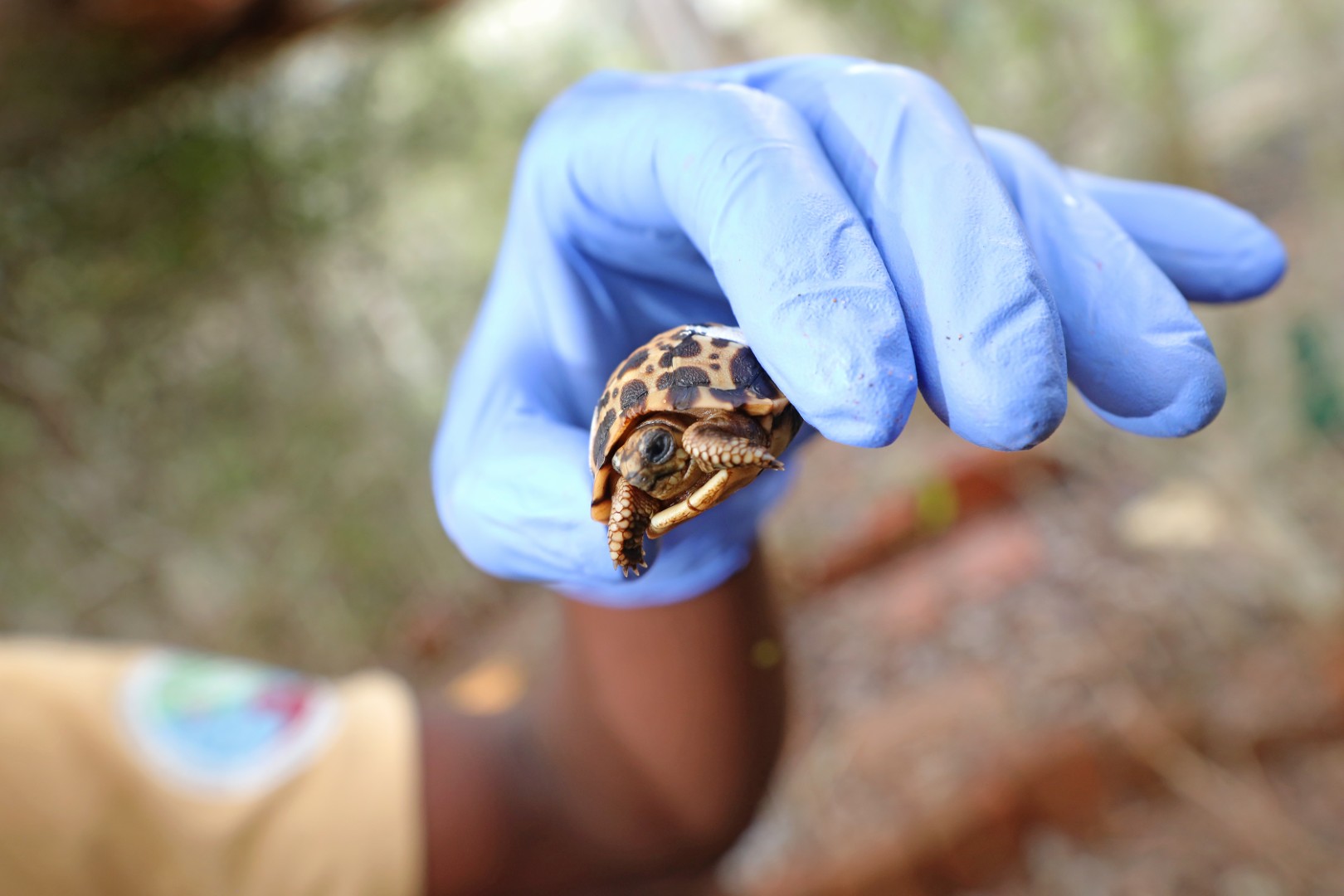
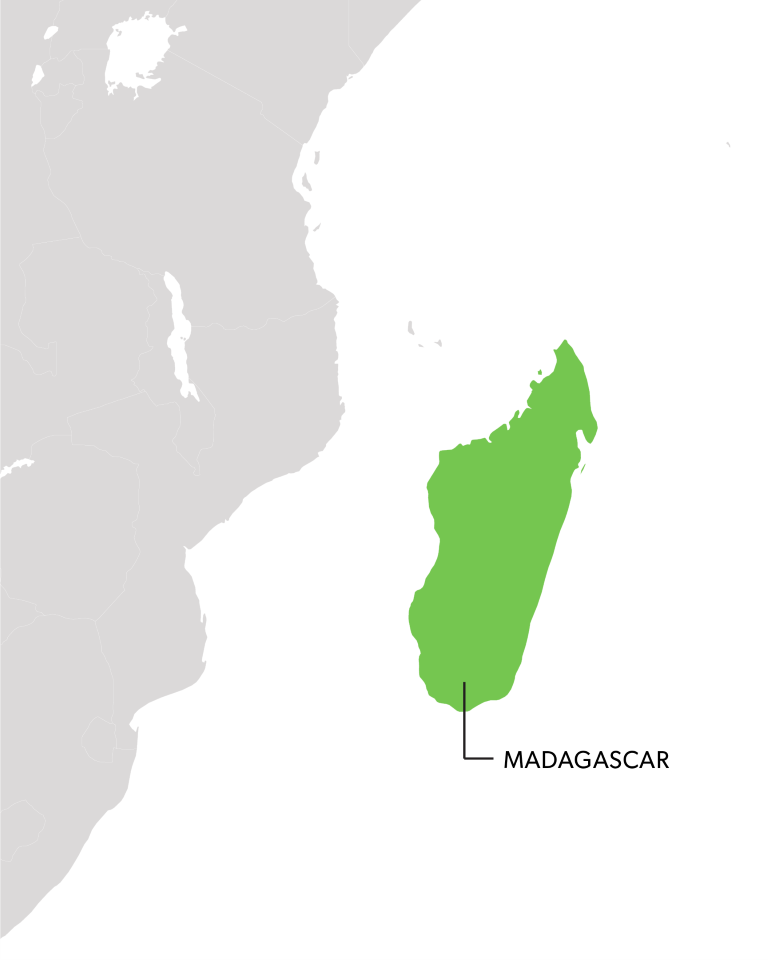
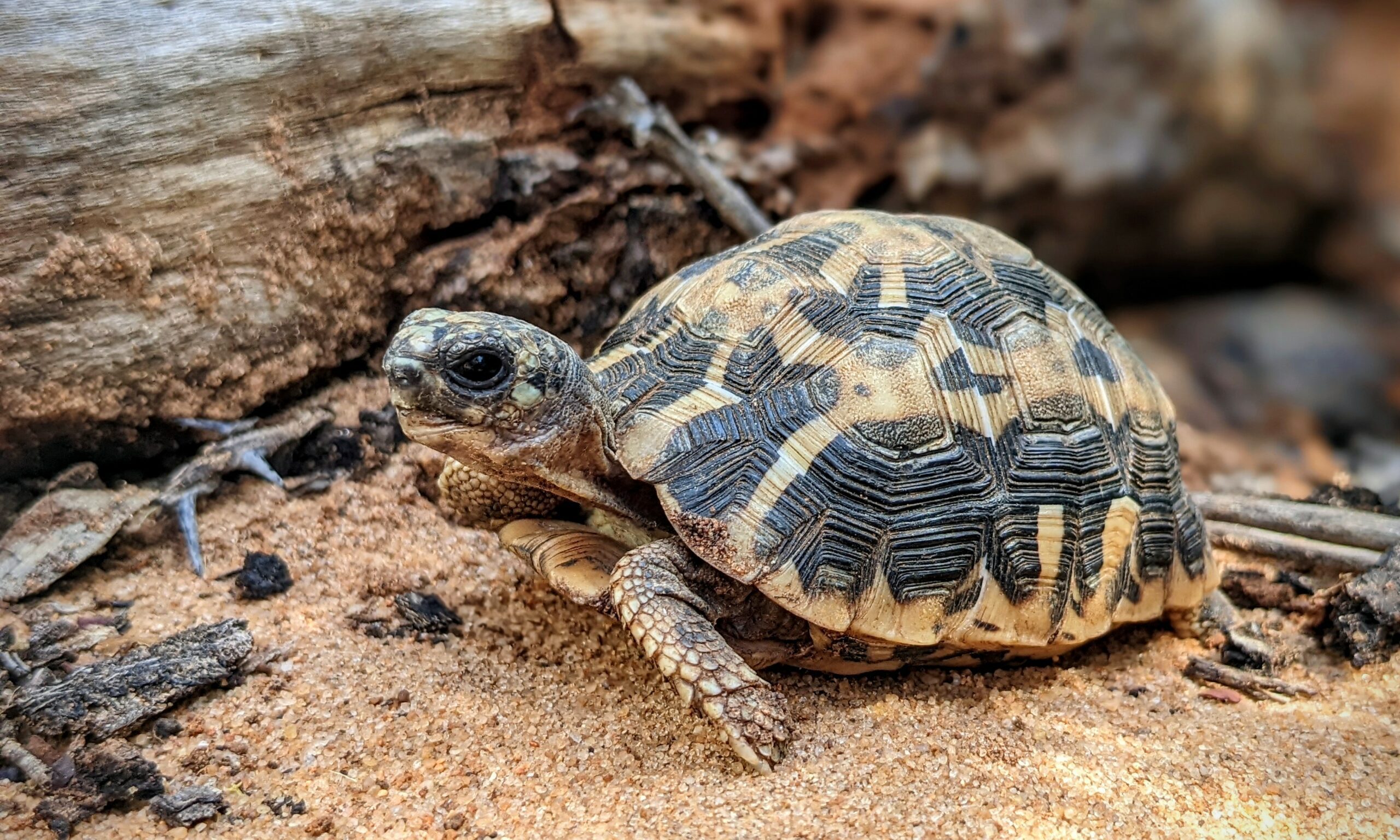
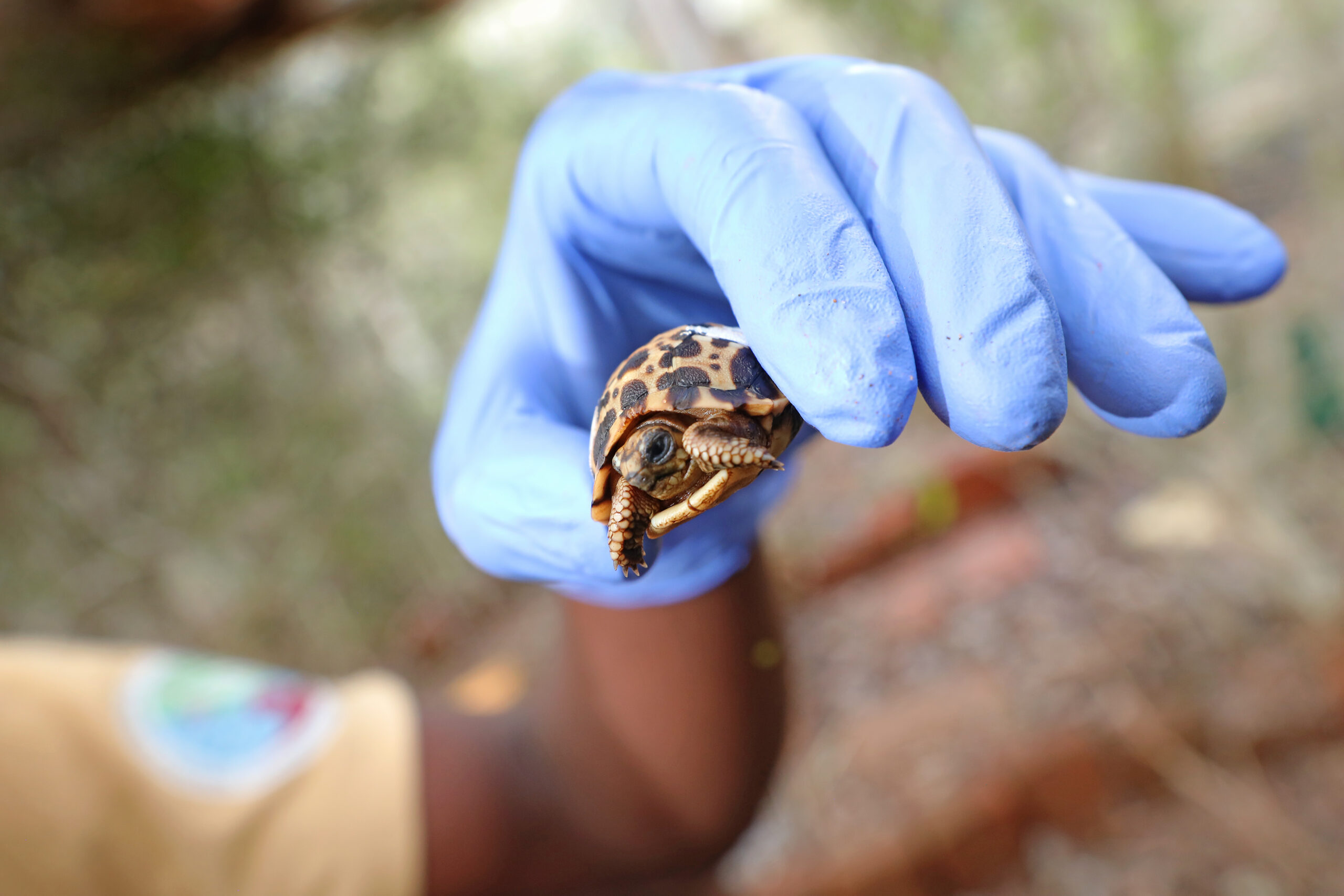
The Spider Tortoise (Pyxis arachnoides) is one of the world’s smallest and most threatened tortoises, found only in a narrow strip of dry forest in southwestern Madagascar. Although scientists recognize three forms of this species, it is unclear whether these groups are true subspecies, distinct evolutionary lineages, or just local populations. This uncertainty matters for conservation because we cannot protect what we cannot clearly define.

Past studies relied on a single mitochondrial genetic marker. While useful, mitochondrial DNA tells only part of the story and can be misleading. Advances in genomic technology now let us compare thousands of regions across the genome to understand how populations are related, whether they interbreed, and how long they have evolved independently. These tools are especially valuable for tortoises, where physical traits such as shell shape often fail to reveal the true evolutionary history.
This project uses whole-genome sequencing to provide the most detailed look yet at the genetic structure of the Spider Tortoise. By collecting and analyzing genome-wide data from individuals across the species’ range, we can determine whether the three recognized subspecies—Southern Spider Tortoise (Pyxis arachnoides oblonga), Northern Spider Tortoise (Pyxis arachnoides brygooi), and Common Spider Tortoise (Pyxis arachnoides arachnoides)—are distinct lineages that should be managed separately. We also investigate the extent of interbreeding between neighboring populations and whether past isolation has led to unique genetic adaptations.

These questions have real-world consequences. The Spider Tortoise’s habitat has already shrunk by more than 70% because of deforestation and collection for the pet trade. If genetically distinct lineages exist, some may be much closer to extinction than others, but remain unprotected because conservation laws often ignore subspecies. Identifying clear conservation units ensures every unique lineage receives the attention, protection, and resources it needs.
Key Species

Key Species

Pyxis arachnoides

Spider Tortoise

Critically Endangered

Read More
No posts found

Want to Help?

Support

Your generosity will help us protect threatened species today.

Uncovering Lineages in the Spider Tortoise

Lead Partners and Supporters

Shaffer Lab at UCLA, Women Rise Wildlife Research

About Us
  • Who We Are
  • Staff & Board
  • Publications
  • Financials & Policies
  • Strategic Plan 2025
  • Contact Us
  • Careers
What We Do
  • Turtle Survival Center
  • Madagascar
  • Volunteer Science
  • AZA SAFE
  • Annual Symposium 2026
What You Can Do
  • Explore Turtles & Tortoises
  • Virtual Outreach Experience
  • Become a Member
  • Drink Beer. Save Turtles.®
  • News & Events
Donate
Subscribe for Turtle Newsletter
© Copyright 2026. All Rights Reserved.

Privacy Policy

Subscribe for Turtle News

Subscribe to receive the Turtle Survival Alliance email newsletter and stay up-to-date on the latest in turtle conservation.

"*" indicates required fields

This field is for validation purposes and should be left unchanged.